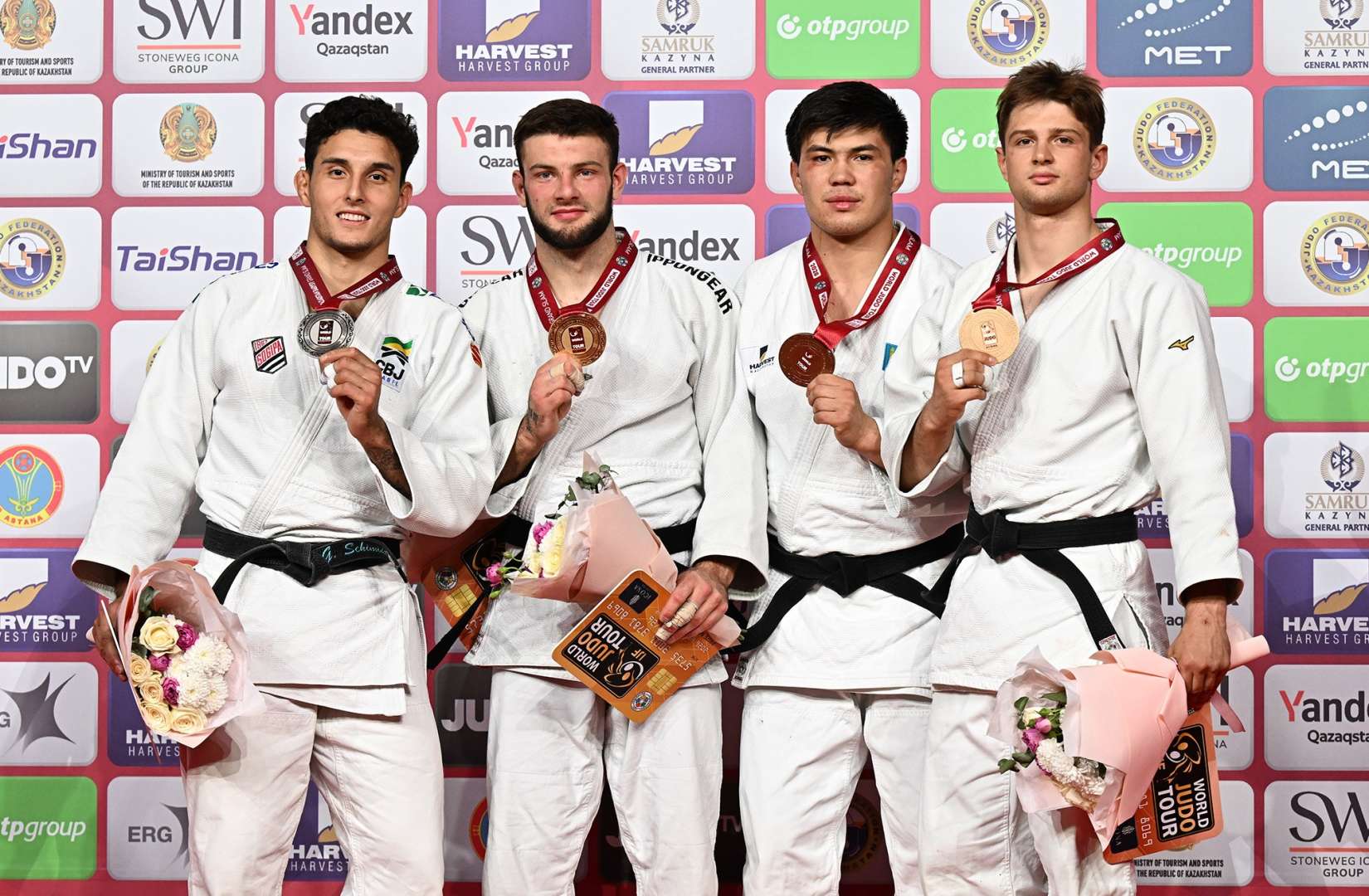

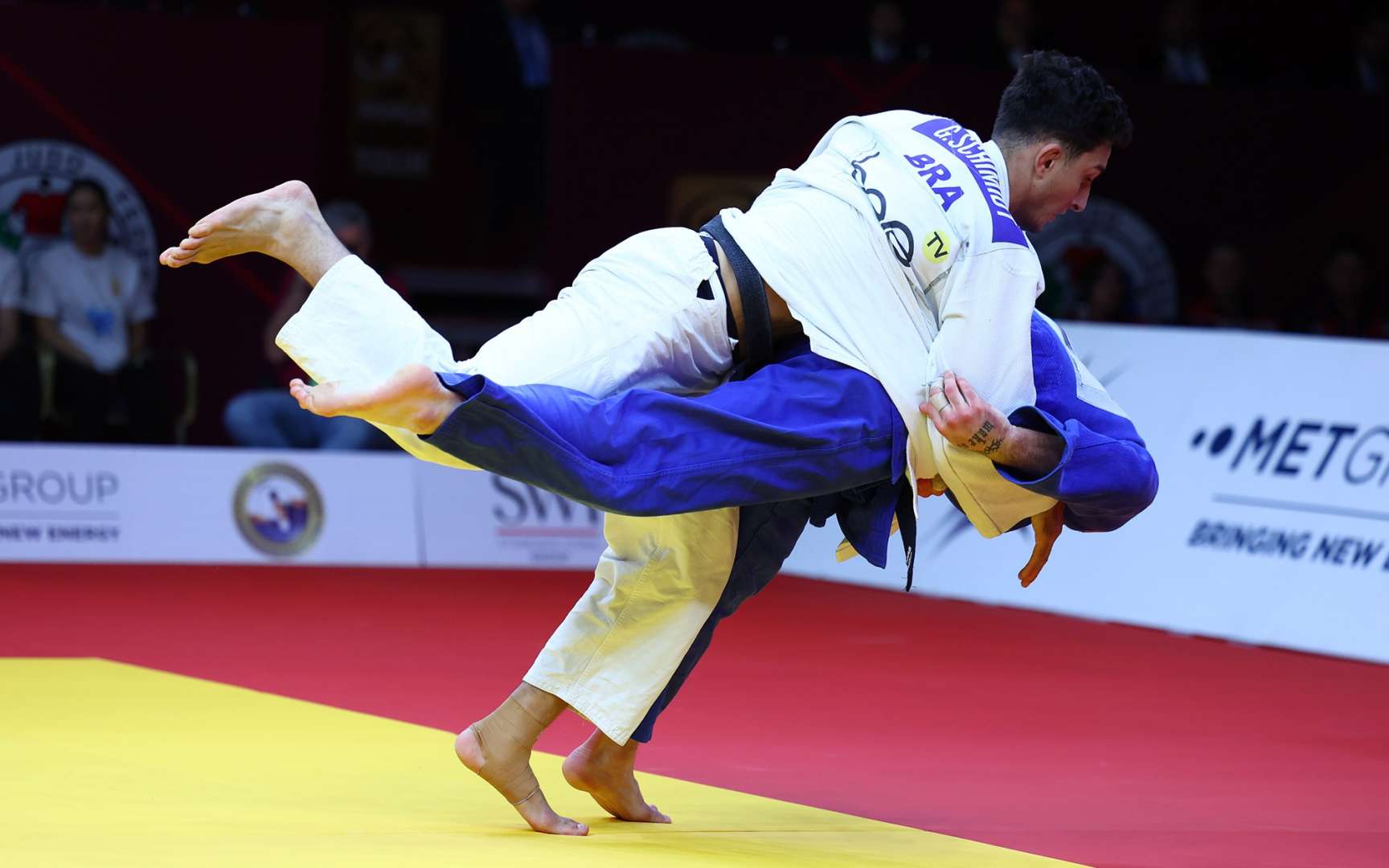
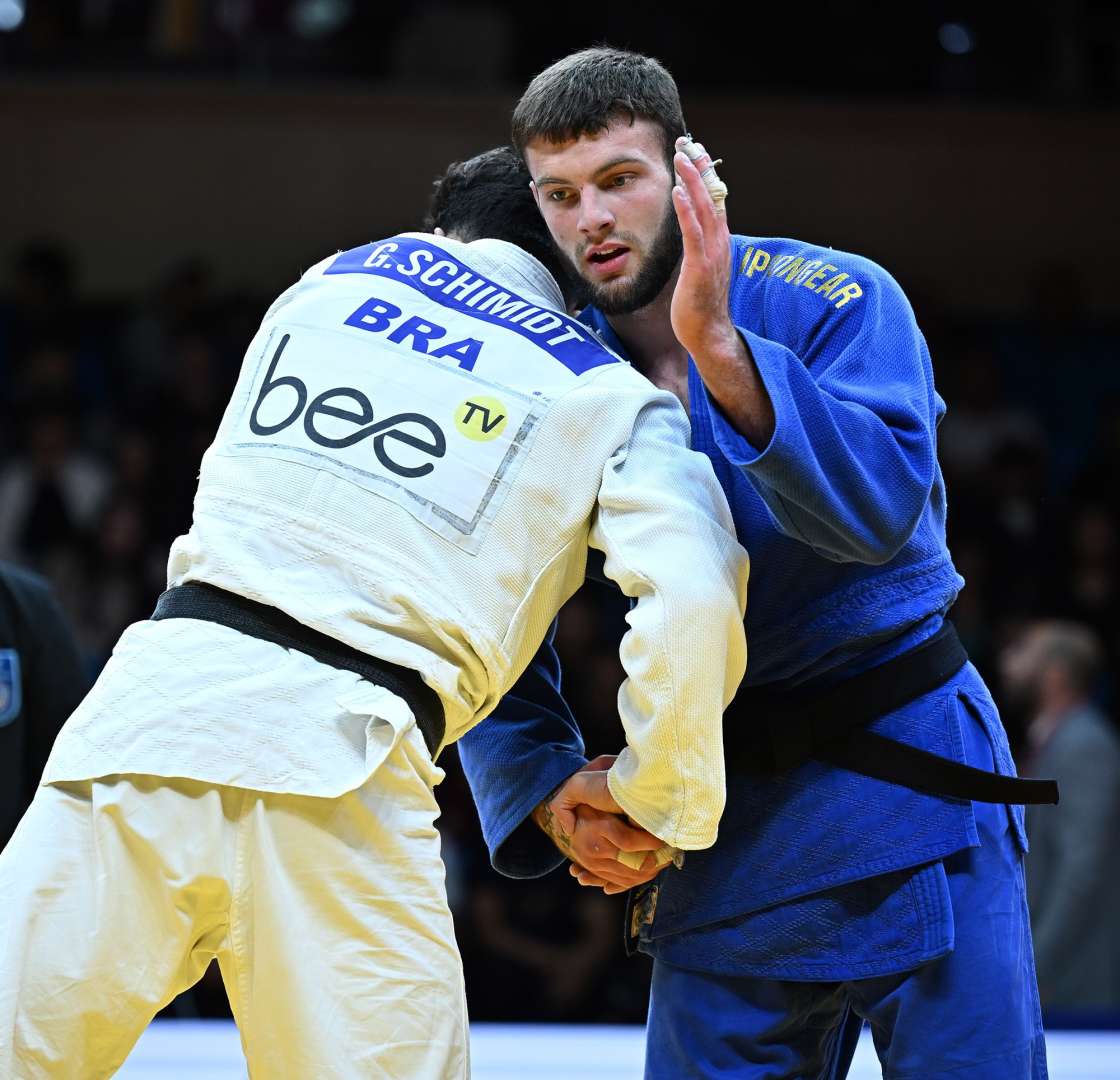
As the final began, both athletes struggled to find their usual rhythm, blocking one another’s attacks. There was action and effort but nothing hit the mark. As frustration deepened towards the dying seconds of normal time, Schimidt attempted to throw with an o-soto-gari but Rutovic was ready and turned it to his advantage, countering for a yuko. There were only 18 seconds left and so that score remained the sole score of the contest.
Nineteen-year-old Boris Rutovic has thrown his hat into the ring in Astana, a teenager with goals and drive, one to watch on the not-so-long road to Los Angeles.
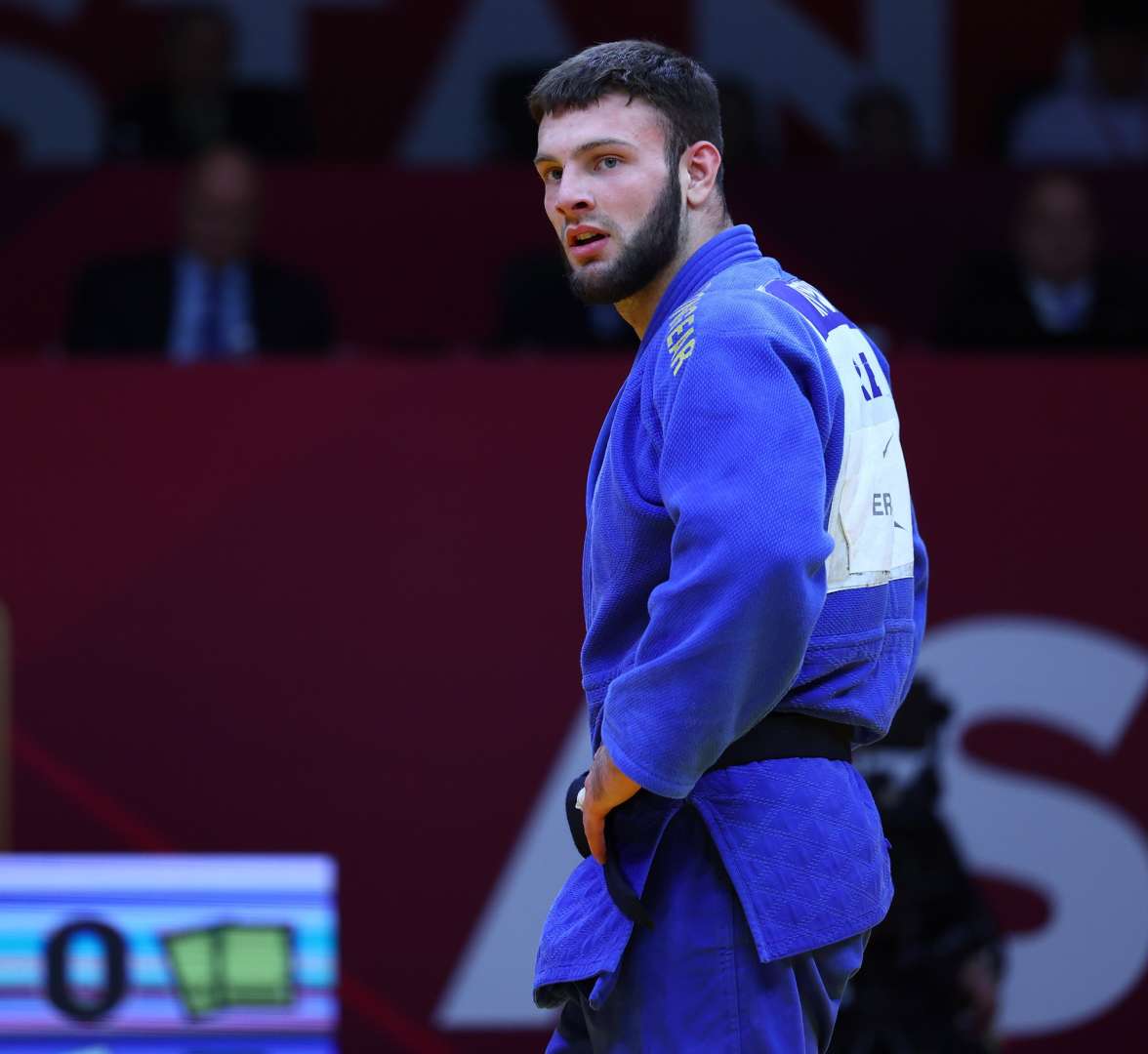
He was satisfied with his performance in Astana, saying, “This is my second grand slam and I'm incredibly proud to have won my first gold medal. As I'm often younger than my opponents, I push myself to give over 100% and use my strength to win. It was special winning the final in Kazakhstan as the crowd here truly understands judo.
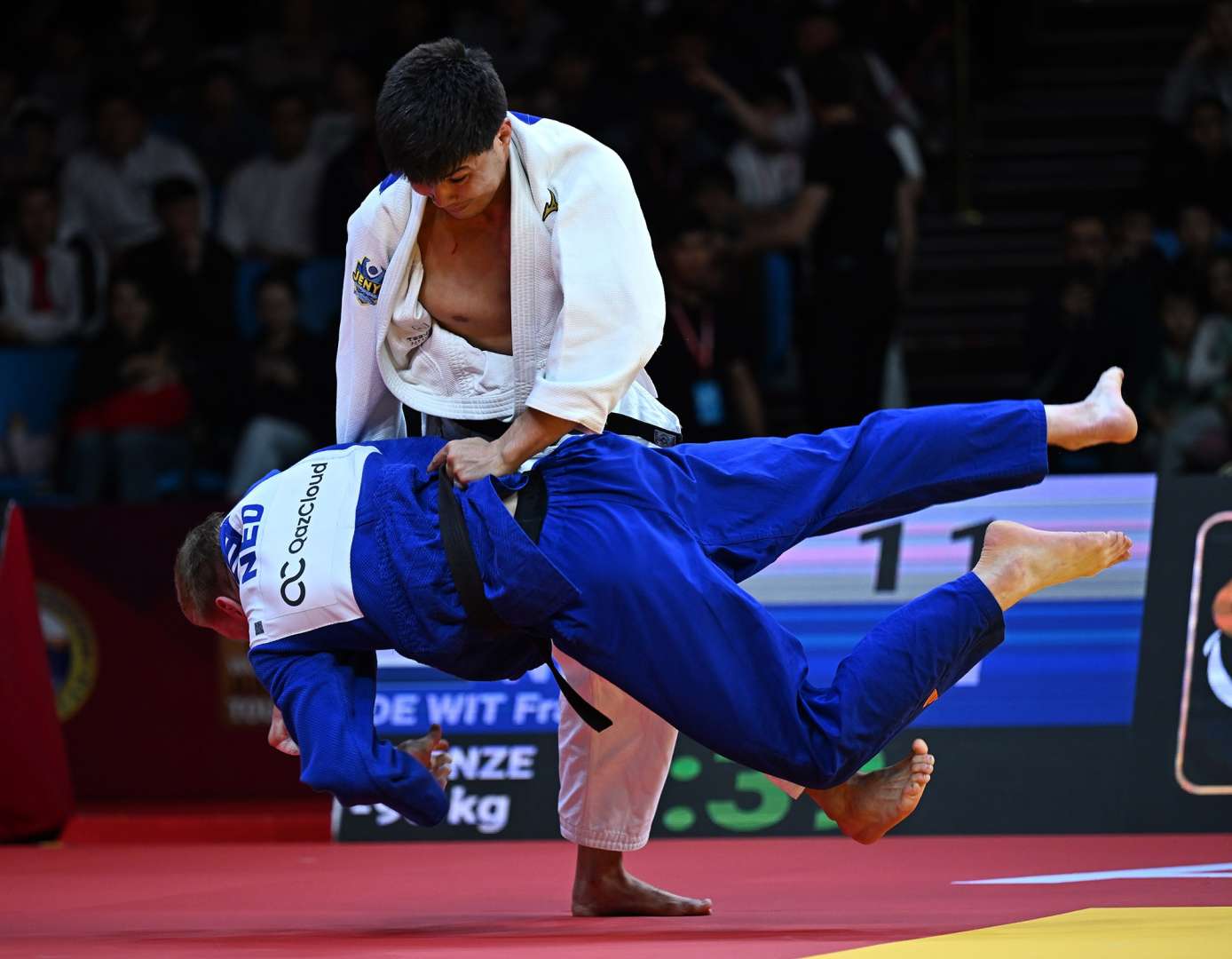
Aidar Arapov (KAZ) arrived with confidence and determination to face Frank De Wit for a bronze medal. He scored first too, putting De Wit on the back foot, but an equaliser came fast and so they were back to being even.
Arapov decided that he didn’t like losing his lead and from an awkward grip he threw the Dutchman for a waza-ari with a ko-uchi-gake. This wasn’t the end though. In a high-scoring contest, De Wit came forward again but Arapov used his weight and entry to place his own counter perfectly. He earned a second waza-ari and his first grand slam medal.
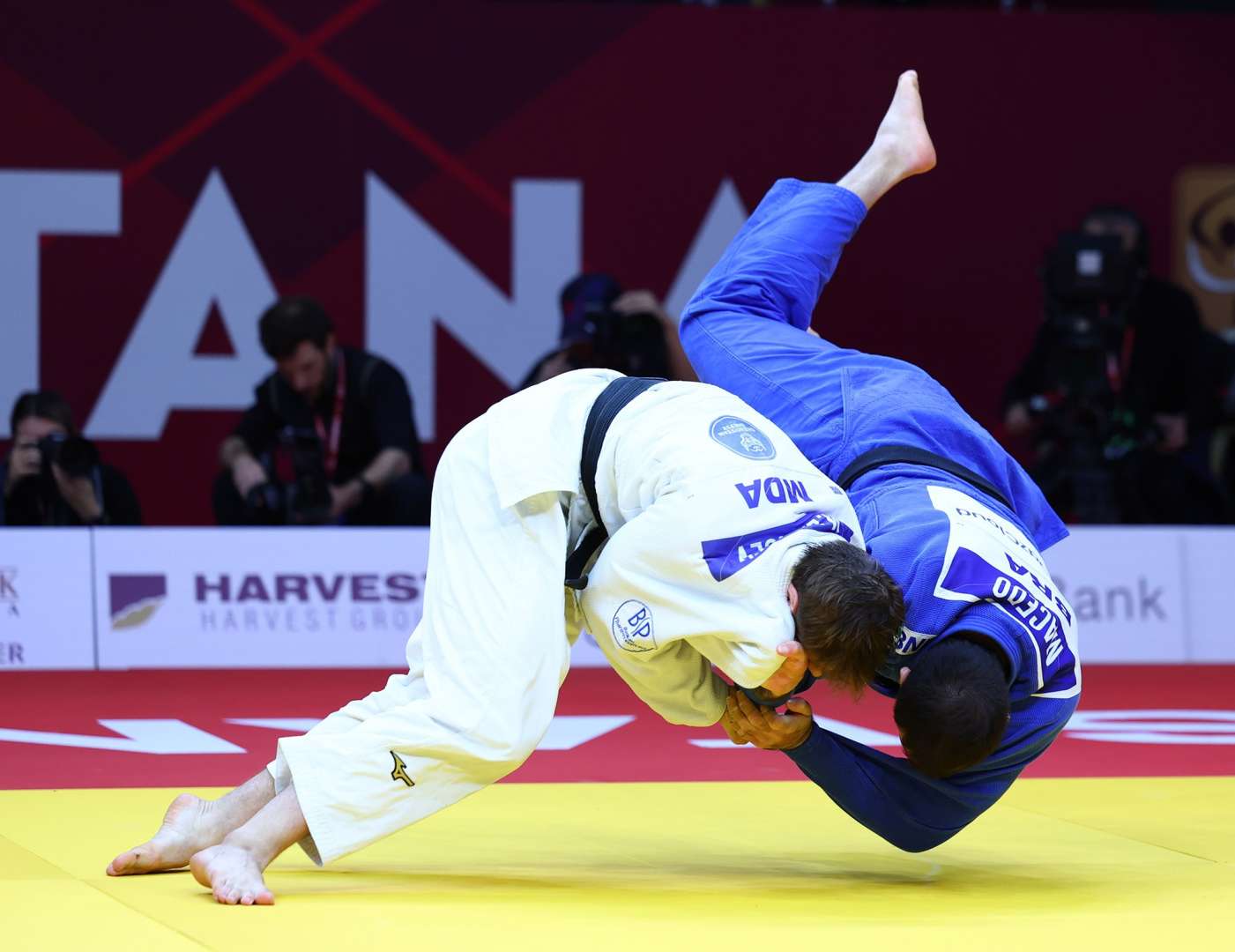
To fight for the second bronze medal Mihail Latisev (MDA and Rafael Macedo (BRA) strode into the arena. The Moldovan opened the fight with a seoi-otoshi fro a yuko, only 15 seconds in.
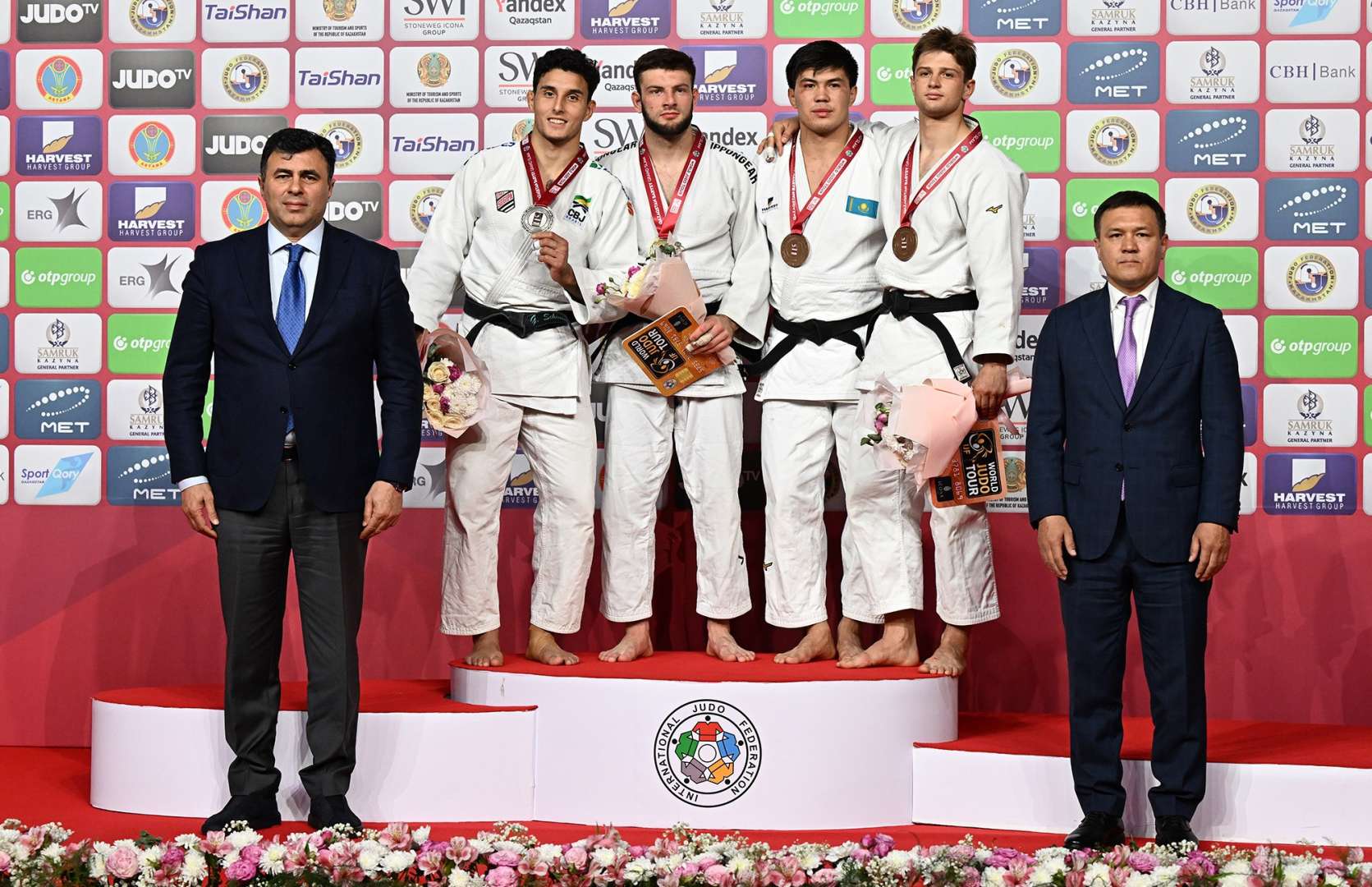
Final (-90 kg)
Bronze Medal Fights (-90 kg)