
These seven days have delivered a spectacle worthy of the occasion. Two weight categories each day, two world champions crowned, one woman and one man; this is the rhythm of the world championships, following the same format as the Olympic Games. It is a formula we never tire of. Every morning brings new expectations, every afternoon its share of surprises, and every evening two more stories enter the history books.
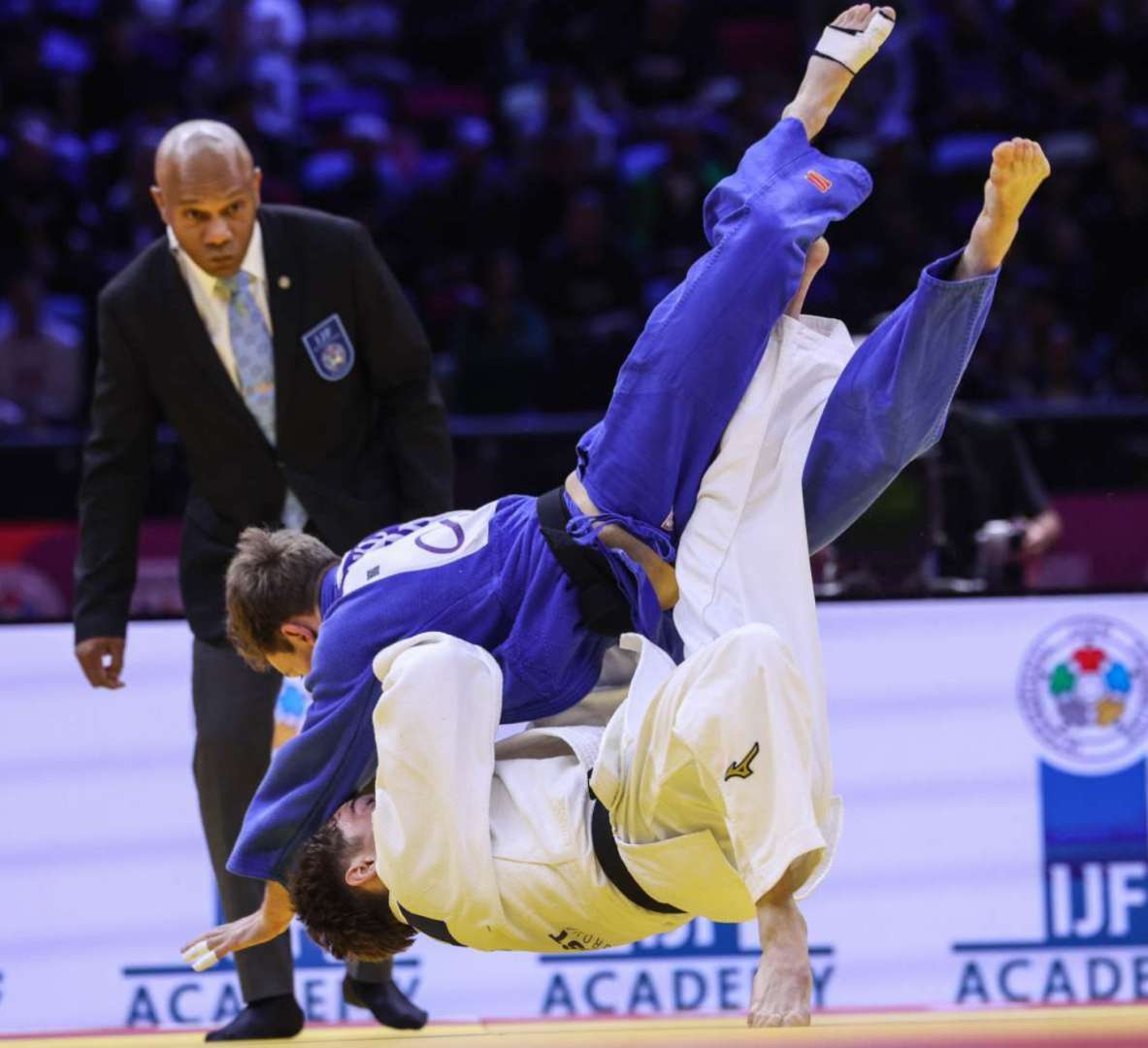
There are many lessons to draw from such an extraordinary week. Looking at the overall picture, Japan dominated proceedings with no fewer than seven world titles, exactly half of all the gold medals available. Add to that two silver medals and three bronze medals and the scale of the achievement becomes even clearer. Impressive, certainly, but hardly accidental. Behind these results lies a culture of constant self-questioning, an unwavering commitment to the principles of judo and an exceptional ability to produce the very best when the occasion demands it.
Hifumi and Uta Abe demonstrated once again that even when circumstances become complicated, they possess that rare ability to dig deeper and find solutions. Wakana Koga, Ryuga Tanaka and Akari Omori each illustrated, in their own way, the remarkable depth of Japanese judo. Haruka Kaju continued to astonish with her unbeaten record, while Sanshiro Murao offered a masterclass in technical purity, reminding everyone why judo can be such a beautiful sport to watch.
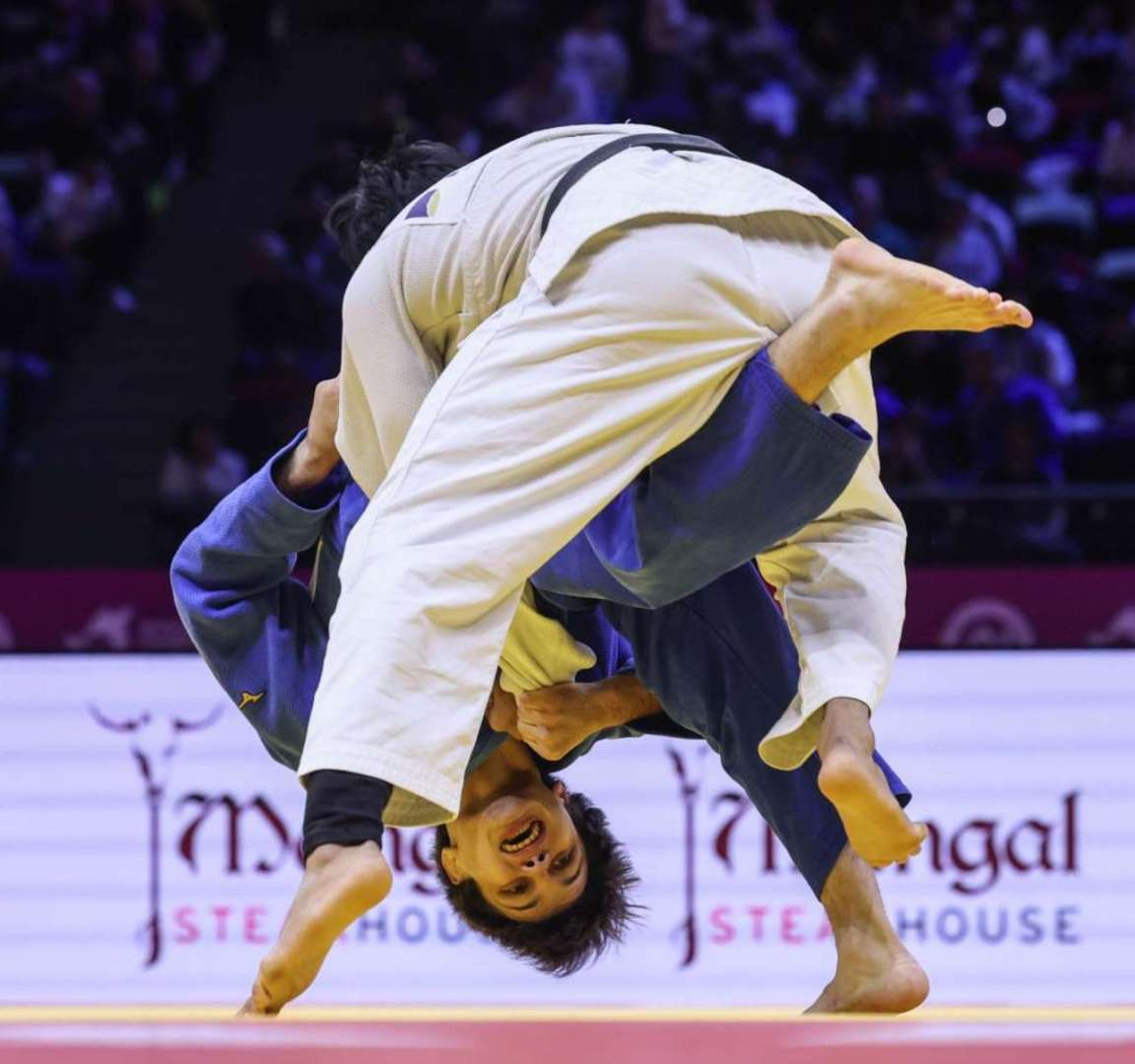
Yet Japan's extraordinary collective performance should not overshadow the achievements of the other world champions; quite the opposite. Their victories gave these championships their richness, diversity and emotional intensity.
Georgia climbed to second place in the nations' ranking, led by the thunderous performance of Tato Grigalashvili. Six consecutive world finals and a fourth world title; who can match that? There was also the long-awaited triumph of Ilia Sulamanidze, who finally reached the summit he had been chasing for so long. Asked to describe his day, he found a single word, "Supercalifragilisticexpialidocious!" Mysterious, extravagant, wonderfully joyful and perhaps the perfect expression of a happiness too immense for ordinary vocabulary.
And what about the host nation? Azerbaijan opened its world championships in spectacular fashion with Ahmad Yusifov's gold medal, one of the tournament's finest surprises. With seven medals in total, the country has every reason to be proud. From the organisation and the welcome extended to delegations, to the atmosphere inside the arena and the sporting results, Azerbaijan delivered on its ambitions. Interestingly, it was not always the most highly anticipated athletes who shone brightest, making the achievement all the more exciting. The Land of Fire has discovered new heroes, a generation of judoka now ready to stand alongside its established stars.
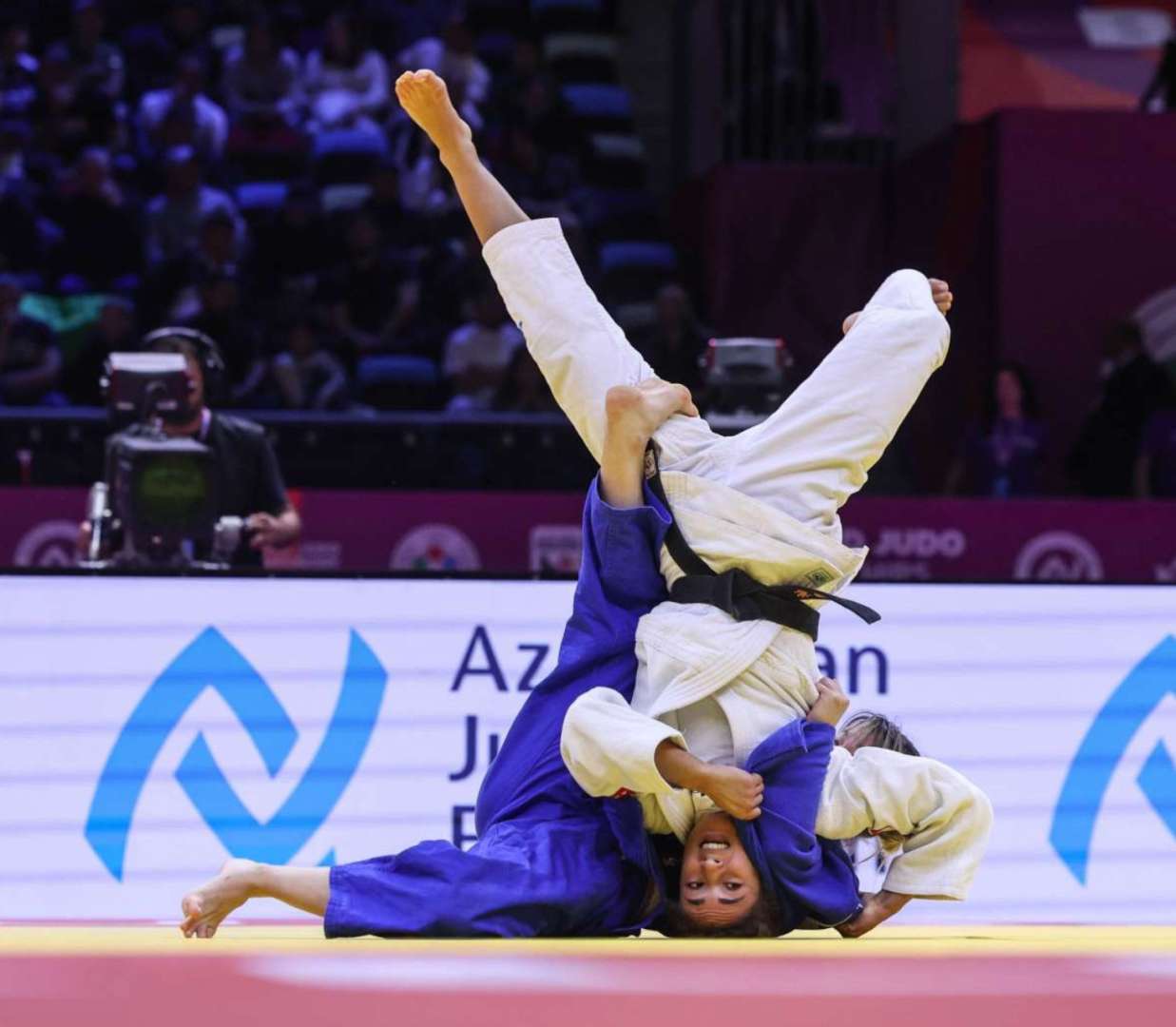
Spain celebrated an historic championship, crowned by the gold medal of Ai Tsunoda Roustant. Already a world champion at cadet and junior level, she has now completed the collection with a senior world title. She has joined the elite, just as 19-year-old Hyeonji Lee of the Republic of Korea did when she conquered the final women's category of the week. Youth was certainly not afraid to challenge experience in Baku.
Another extraordinary milestone came courtesy of Yelyzaveta Lytvynenko, who delivered the first world judo title in the history of the United Arab Emirates, across both men's and women's categories. This is a landmark achievement that will resonate far beyond the arena and may inspire an entirely new generation.
Last but certainly not least, Inal Tasoev (RUS) climbed to the top of the podium for the third time. His performance was a demonstration of technical and tactical intelligence, combining precision, timing and extraordinary sensitivity to his opponents' movements; a true craftsman of judo, capable of turning the slightest reaction into a decisive opportunity. That such finesse can be expressed in the heavyweight category makes it even more remarkable.
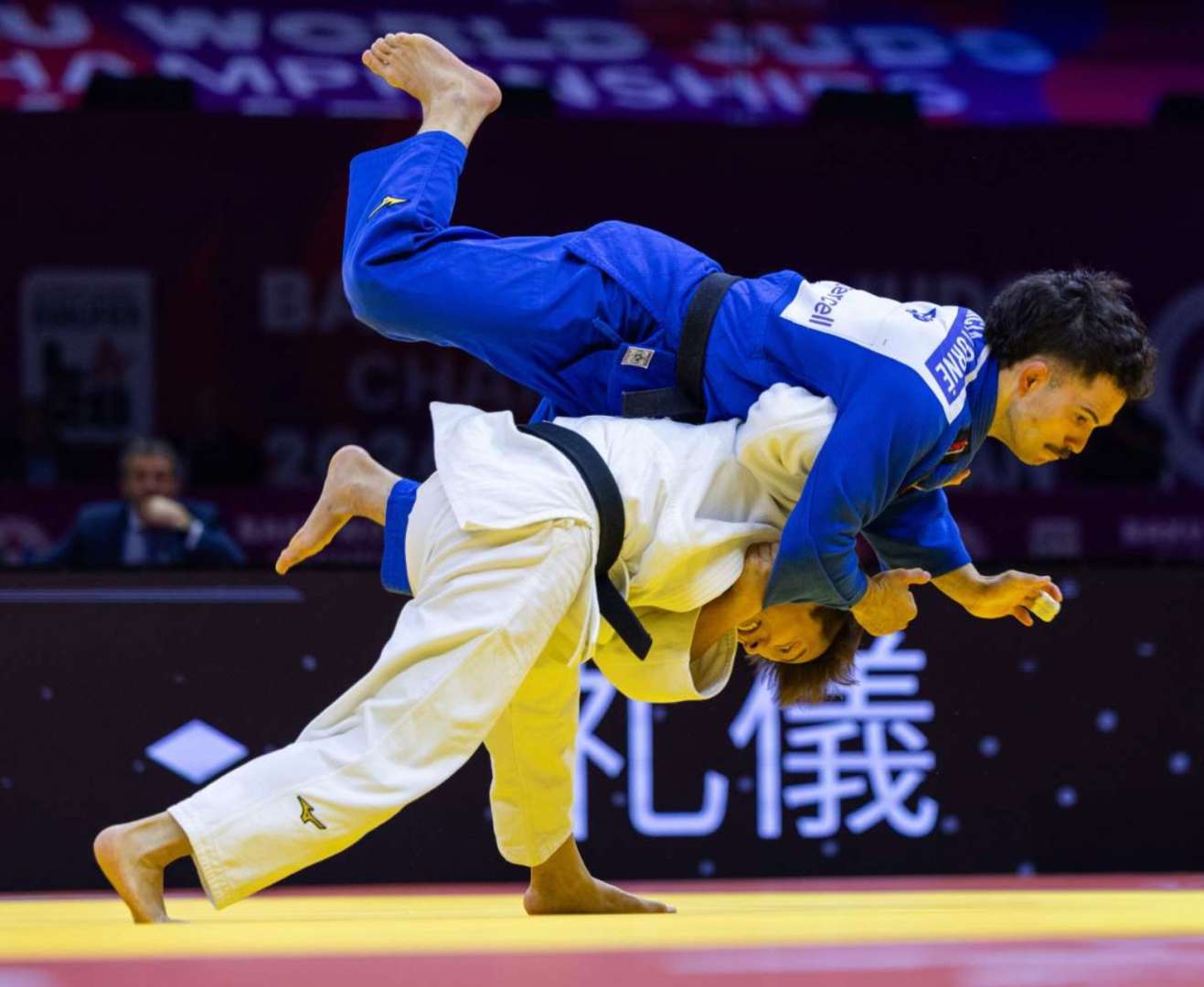
Of course, these are only the world champions. There would be so much more to say about every medallist, every athlete who came close to the podium and every judoka whose journey ended earlier than hoped. A competition of this magnitude is a remarkable concentration of humanity, a melting pot of ambitions, sacrifices, emotions and personal histories, each deserving to be told. There are winners and there are those who did not achieve the result they dreamed of, but does that necessarily make them losers? Every athlete leaves with something: an experience, a lesson, a clearer understanding of what must be corrected, improved or changed. Some delegations will undoubtedly return home disappointed, having fallen short of their objectives. That is the reality of high-level sport. Sometimes we win, sometimes we do not, but we always have the opportunity to learn.
The Baku World Championships will be remembered as a magnificent edition, one that brought crowds to their feet, filled the National Gymnastics Arena with extraordinary energy and captivated judo enthusiasts across the world. From the intensity of the contests to the enthusiasm of the spectators, from the emergence of new champions to the confirmation of established legends, these championships have reminded us why we love this sport so deeply.
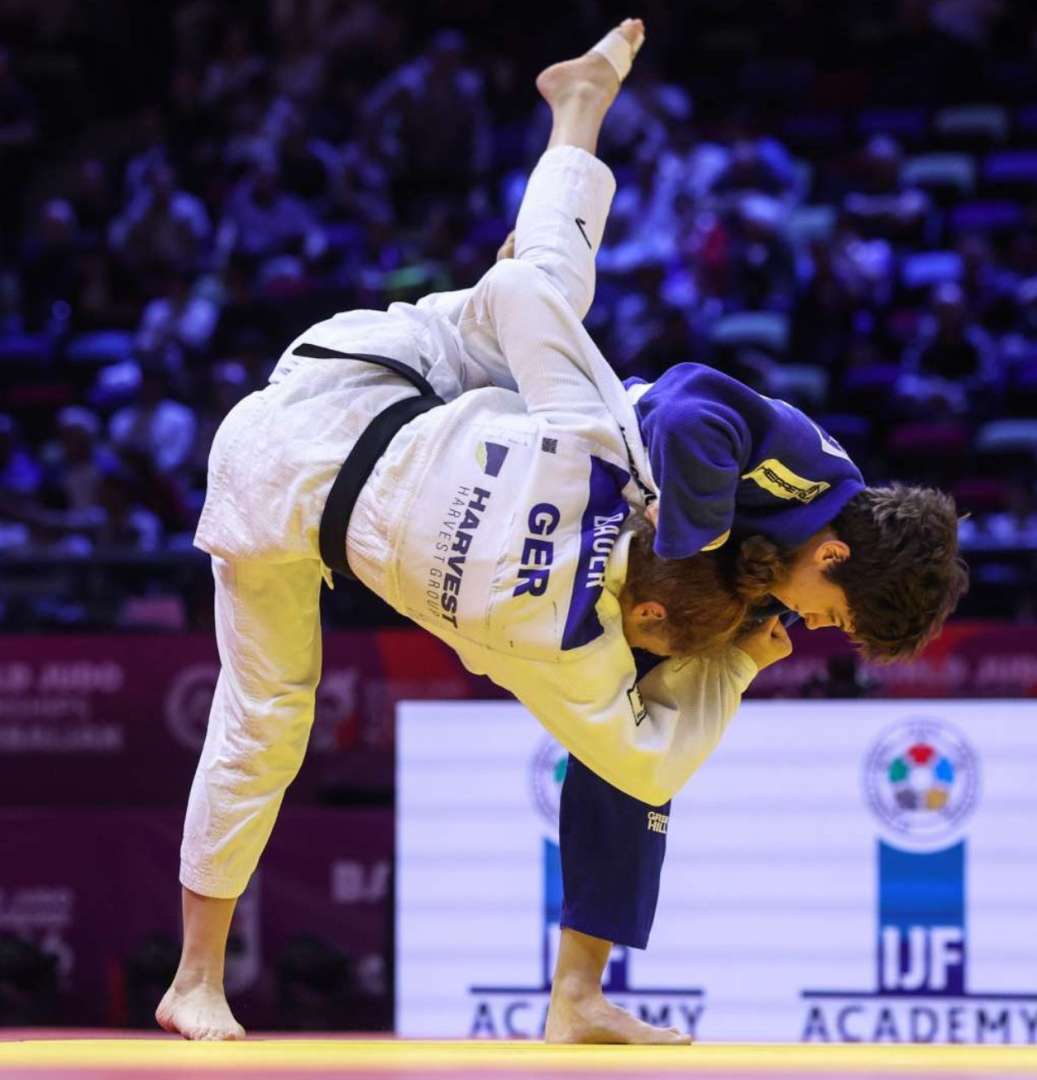
And yet, we are still at the beginning of the road to Los Angeles 2028. So many stories remain to be written, so much sweat will be shed in dojos across the planet and countless hours of training, sacrifice, disappointment and joy still lie ahead. We will continue to follow these extraordinary women and men who dedicate their lives to a simple but powerful belief: through judo, we can push beyond our limits, overcome adversity, bring people together and, perhaps most importantly, become better human beings. That is what makes judo so much more than a sport. That is what made Baku 2026 so special.