

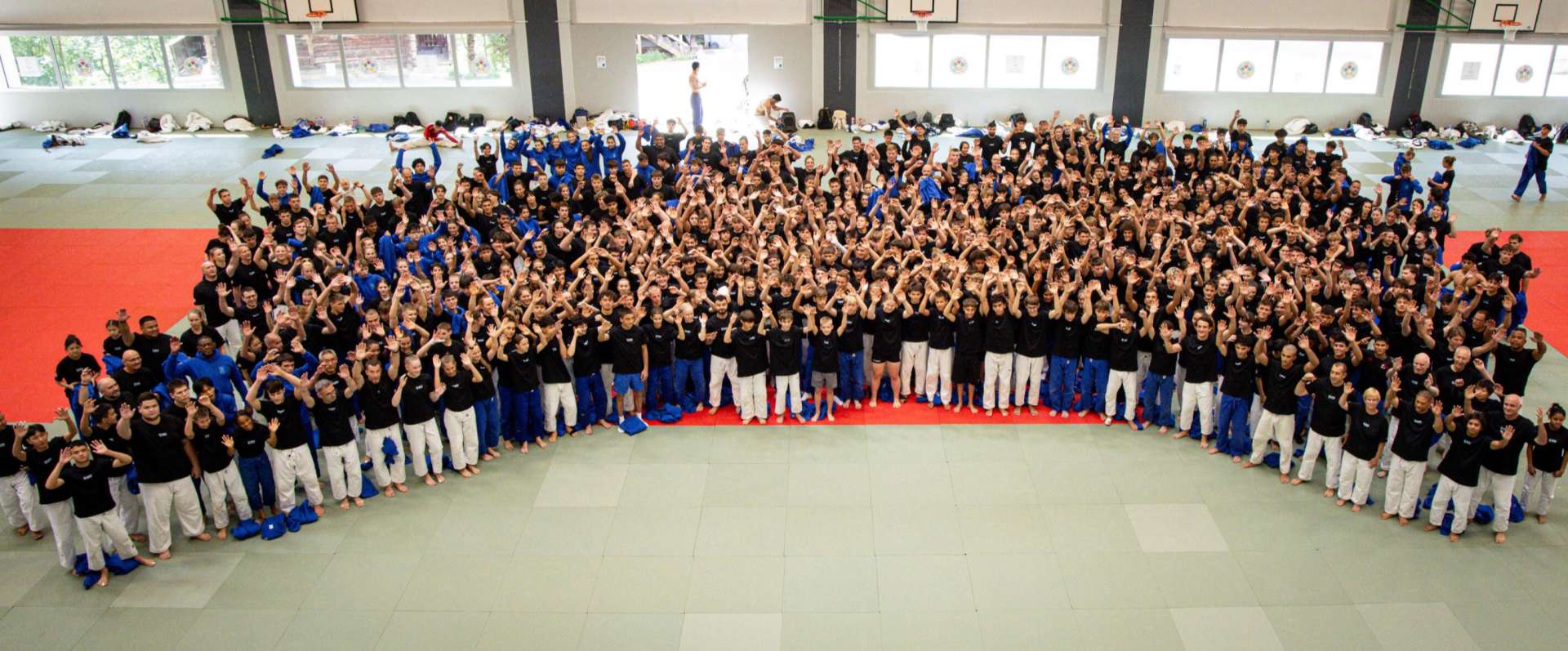
The morning began with two outstanding training sessions delivered by coaches whose competitive careers have left a lasting mark on international judo. The first was led by Udo Quellmalz (GER), one of Germany's greatest judoka. Olympic champion in Atlanta in 1996, Olympic bronze medallist in Barcelona in 1992, world champion in 1991 and multiple European titles, Quellmalz competed successfully across two weight categories before embarking on an international coaching career that has seen him work with some of the world's leading national teams. Drawing on decades of elite experience, he guided the young athletes through the technical and tactical details that have defined his approach to high-performance judo.
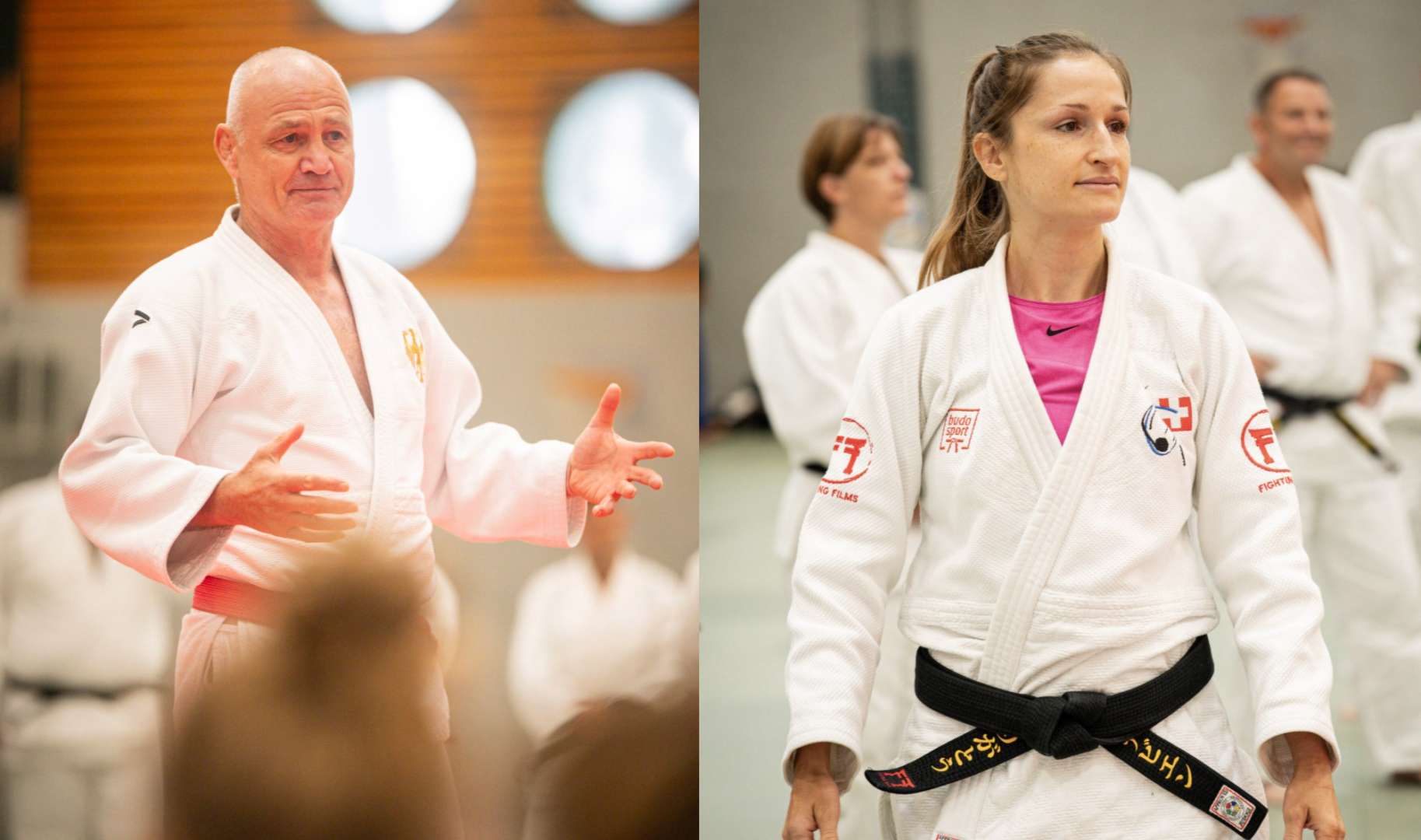
The second session was conducted by Fabienne Kocher (SUI), among Switzerland's most accomplished judoka of a generation. A medallist on the IJF World Judo Tour many times over and European medallist, Kocher has represented Switzerland at the highest level for many years. Her session reflected the demands of modern international competition, encouraging participants to combine technical precision with speed, movement and tactical awareness.
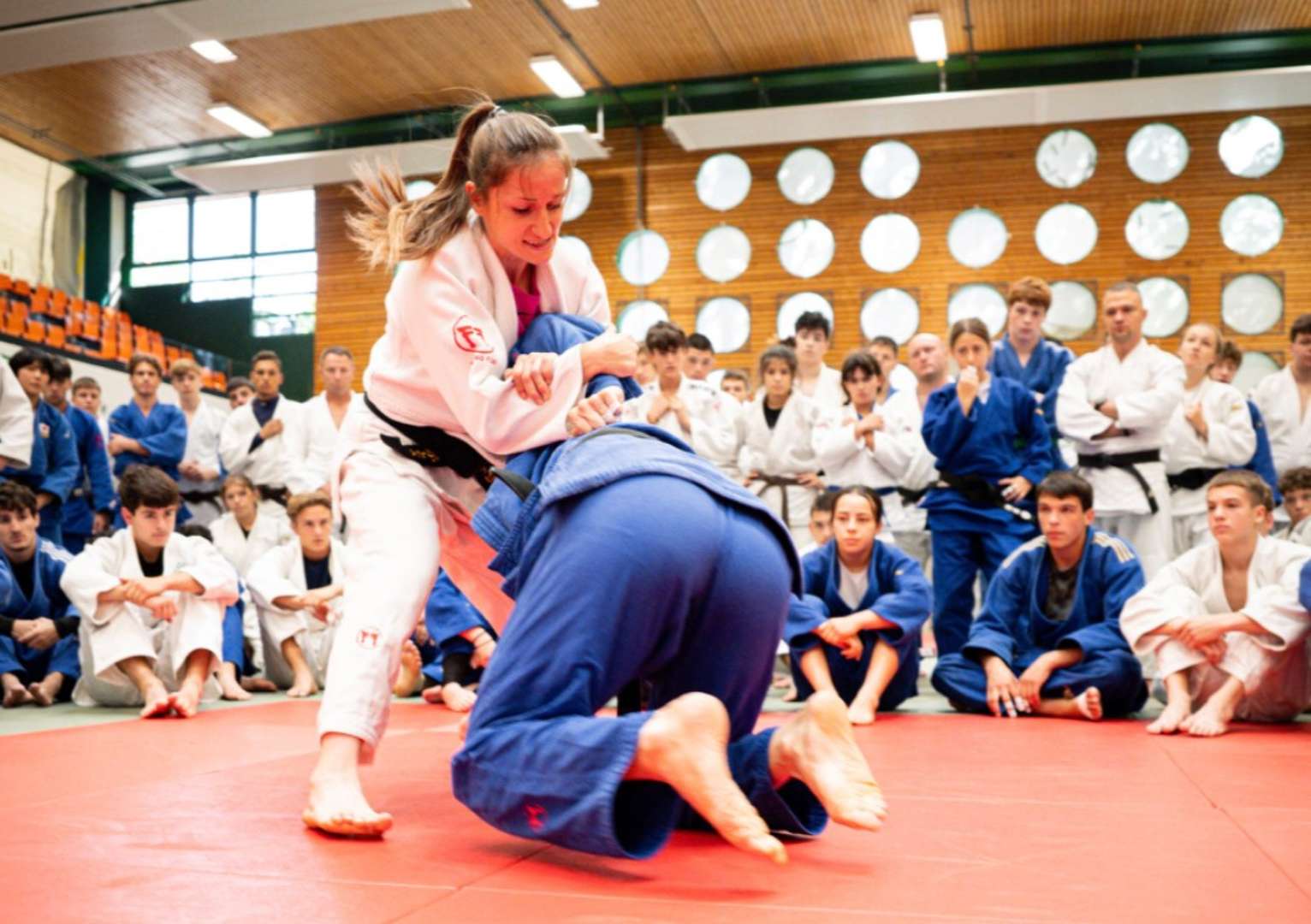
Throughout the morning, young athletes discovered different coaching philosophies and different interpretations of judo. This diversity is one of the camp's greatest strengths. By learning from specialists with varied backgrounds and competitive experiences, participants broaden their technical repertoire while gaining a deeper understanding of the tactical richness of the sport.
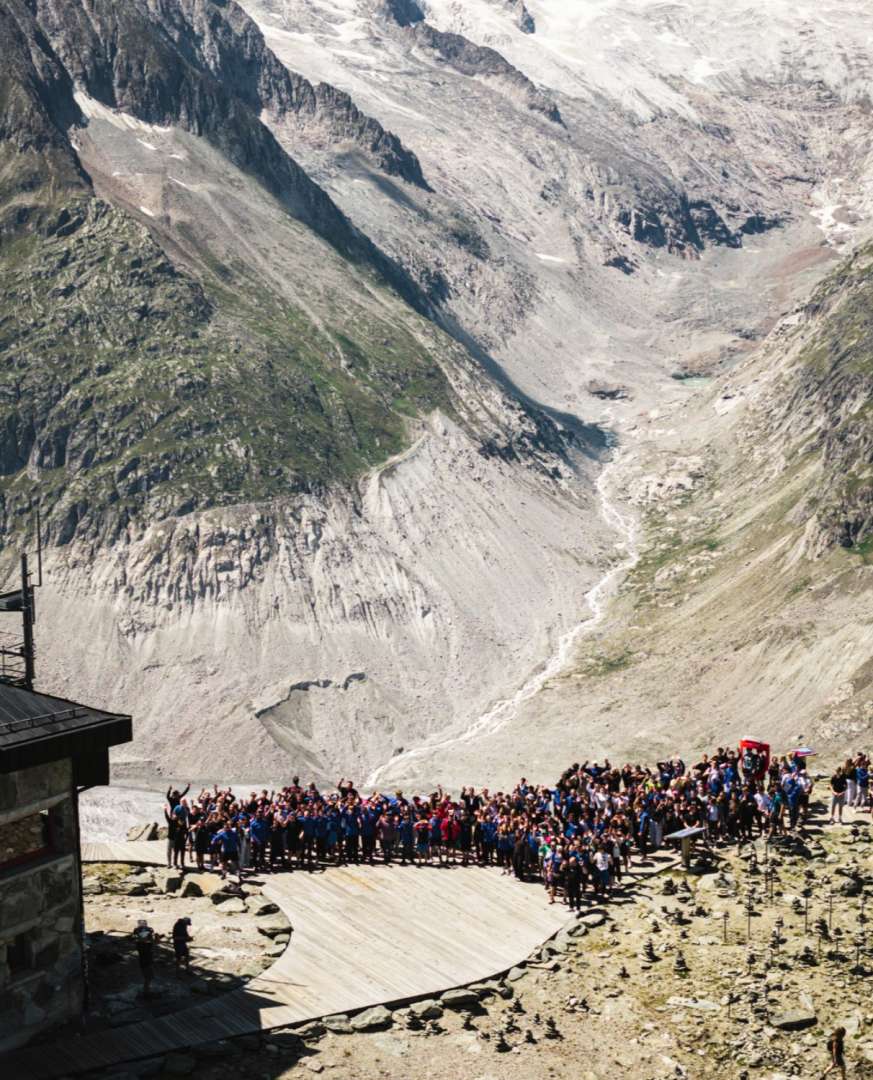
The afternoon took everyone away from the tatami and into one of Switzerland's most spectacular natural environments. Using the mountain cable cars, all 500 participants travelled high above Fiesch to discover the Aletsch Glacier, the largest glacier in Europe and one of the continent's most remarkable natural treasures. The excursion was much more than a sightseeing trip. It formed part of the educational philosophy that underpins the IJF Youth Camp. At a time when climate change is transforming mountain landscapes across the world, experiencing the glacier first-hand offered young judoka a powerful reminder of the importance of protecting our environment.
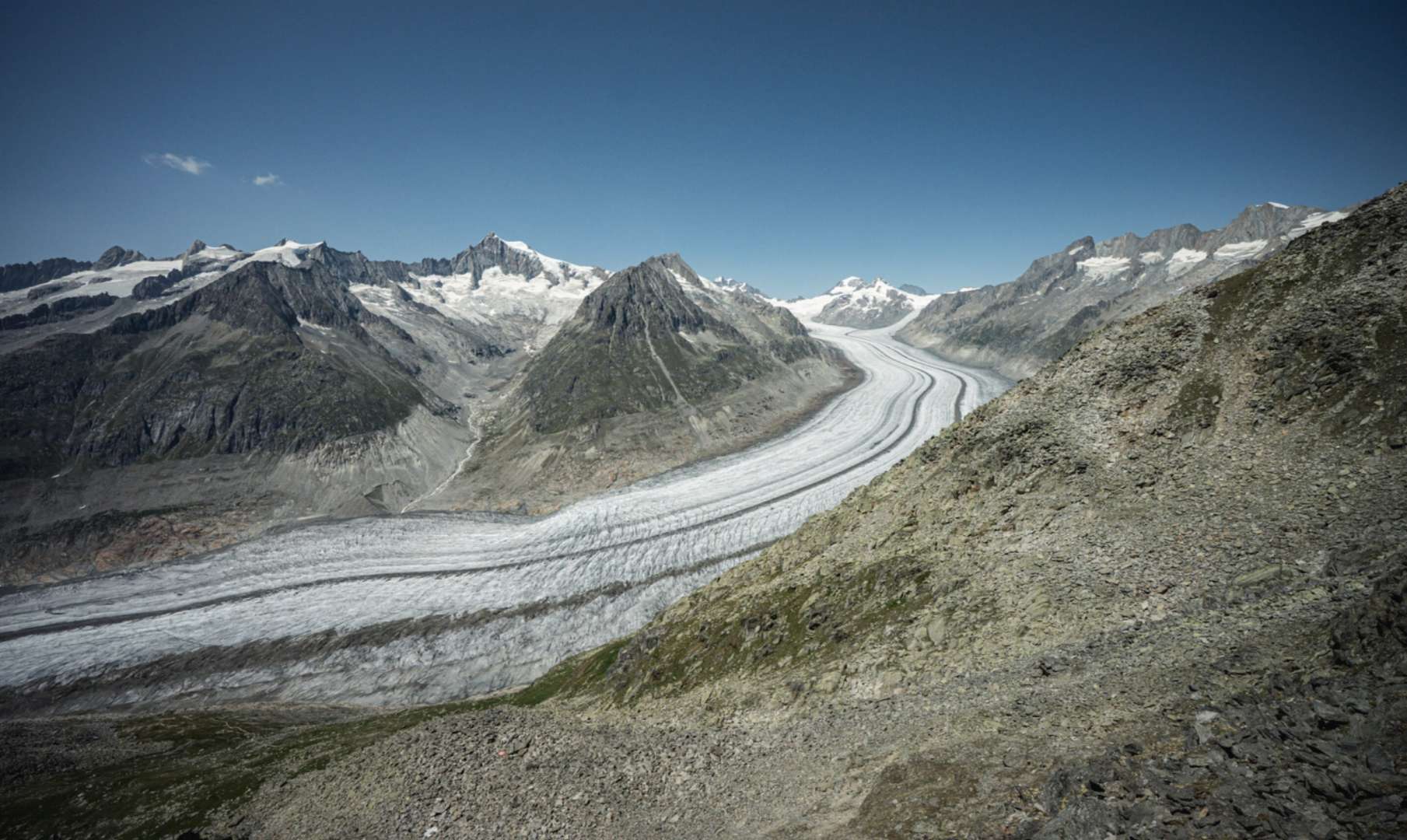
Environmental awareness has become an important pillar of the International Judo Federation's long-term commitment to sustainability. By connecting young athletes with exceptional natural sites such as Aletsch, the camp encourages them to appreciate not only the beauty of nature but also their shared responsibility to preserve it for future generations.
Sergei Aschwanden, President of the Swiss Judo Federation and founder of the camp, summed up the experience perfectly, "We have the biggest glacier in Europe. It's really great to bring 500 athletes from all over the world here, to the top of Europe. We are really enjoying it."
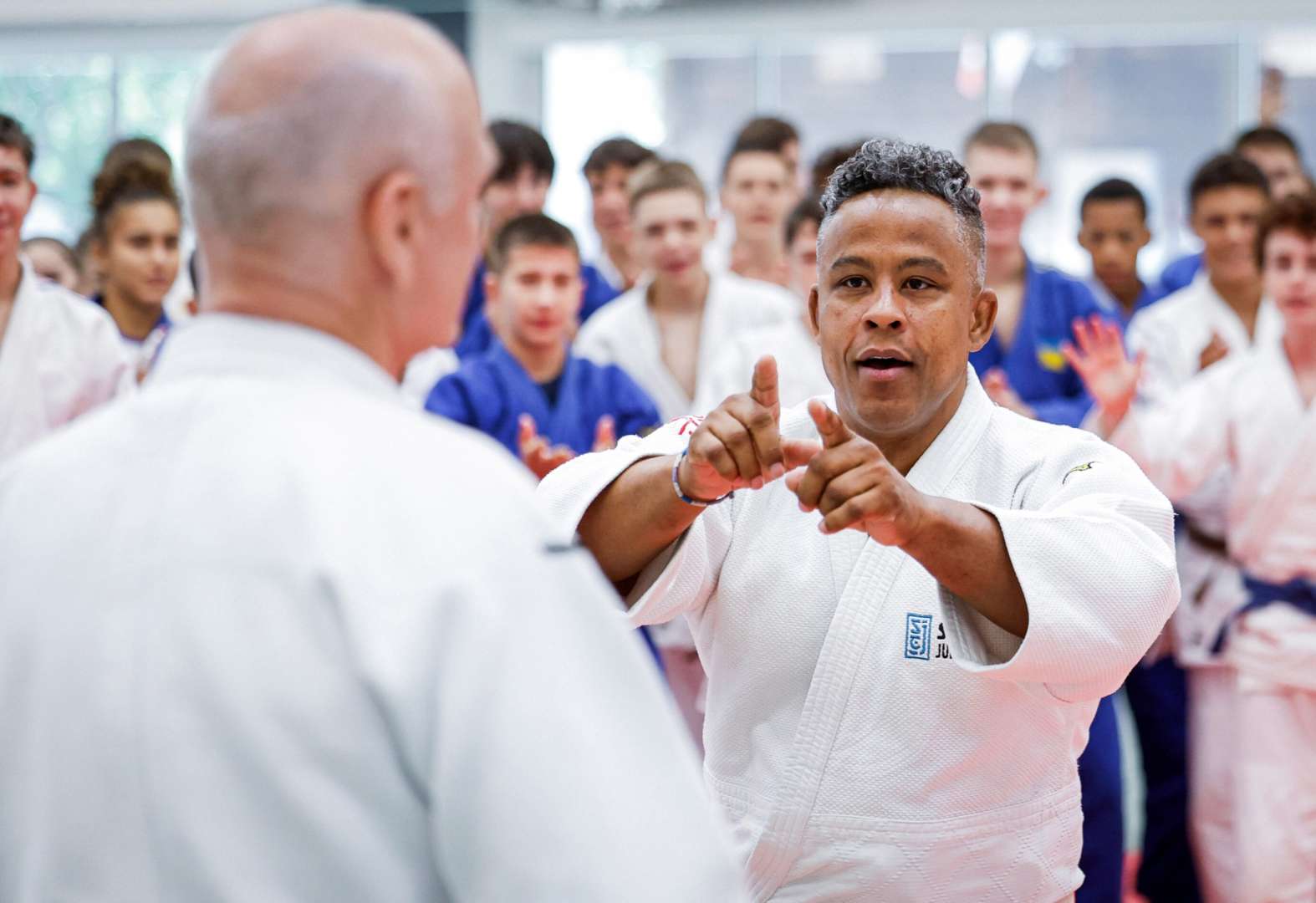
Participants shared that enthusiasm. A group of athletes from Finland smiled as they reflected on the day, "We are having so much fun; great views, good randori and great training."
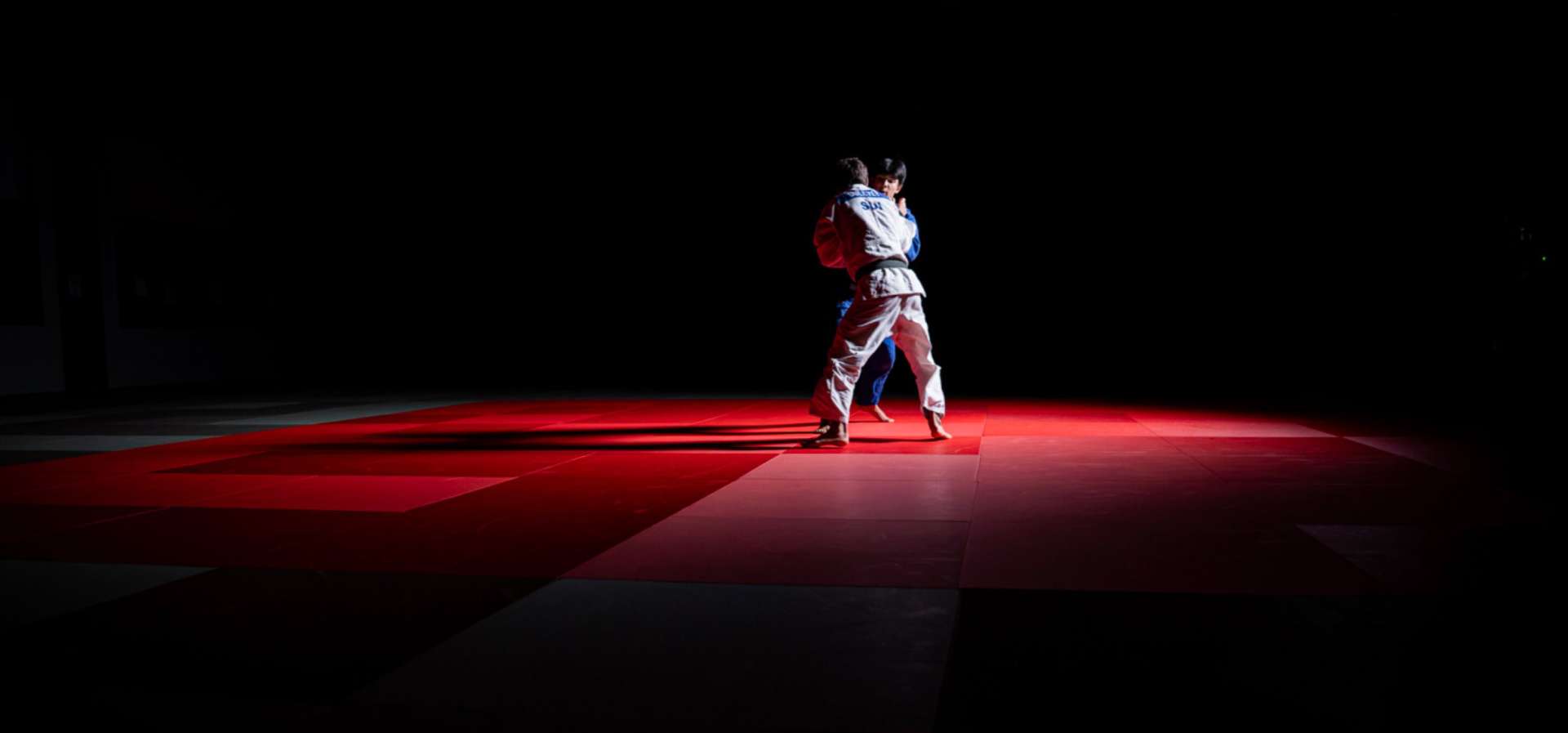
The spirit of the camp also extended beyond training and sightseeing. In the evening, another side of judo came to life during a dedicated artistic photo and video shoot featuring Julien Essade and Elie Oulevay from Team Mikami (Lausanne). Over two hours, carefully designed lighting transformed familiar techniques into striking visual compositions, revealing the elegance, precision and intensity that make judo such a compelling sport to watch as well as to practise.
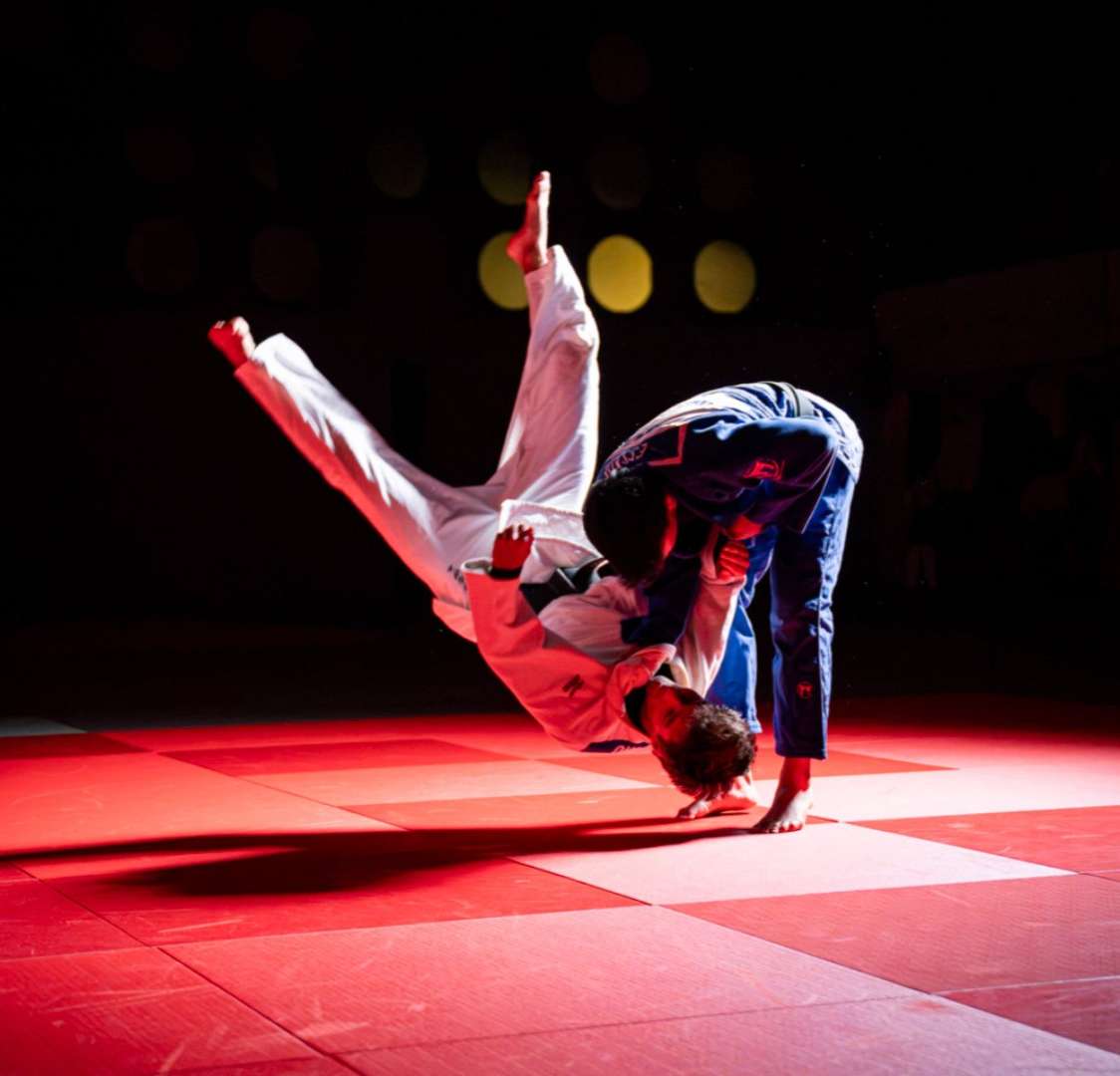
This creative project explored an artistic dimension of judo. Some of the images captured during the night will feature in the opening sequence of the official camp recap film, which will premiere at the end of the event.
As another memorable day came to an end, the message remained clear: the IJF Youth Camp is not simply preparing athletes for future competitions such as the Youth Olympic Games Dakar 2026, it is helping them grow as complete young people, through high-level coaching, cultural exchange, environmental awareness and experiences that will remain with them long after they leave Fiesch.
Relive the best moments of NATSU 2025: CLICK HERE
More about the Sergei Judo Camp - CLICK HERE
Images © Julien Christe