
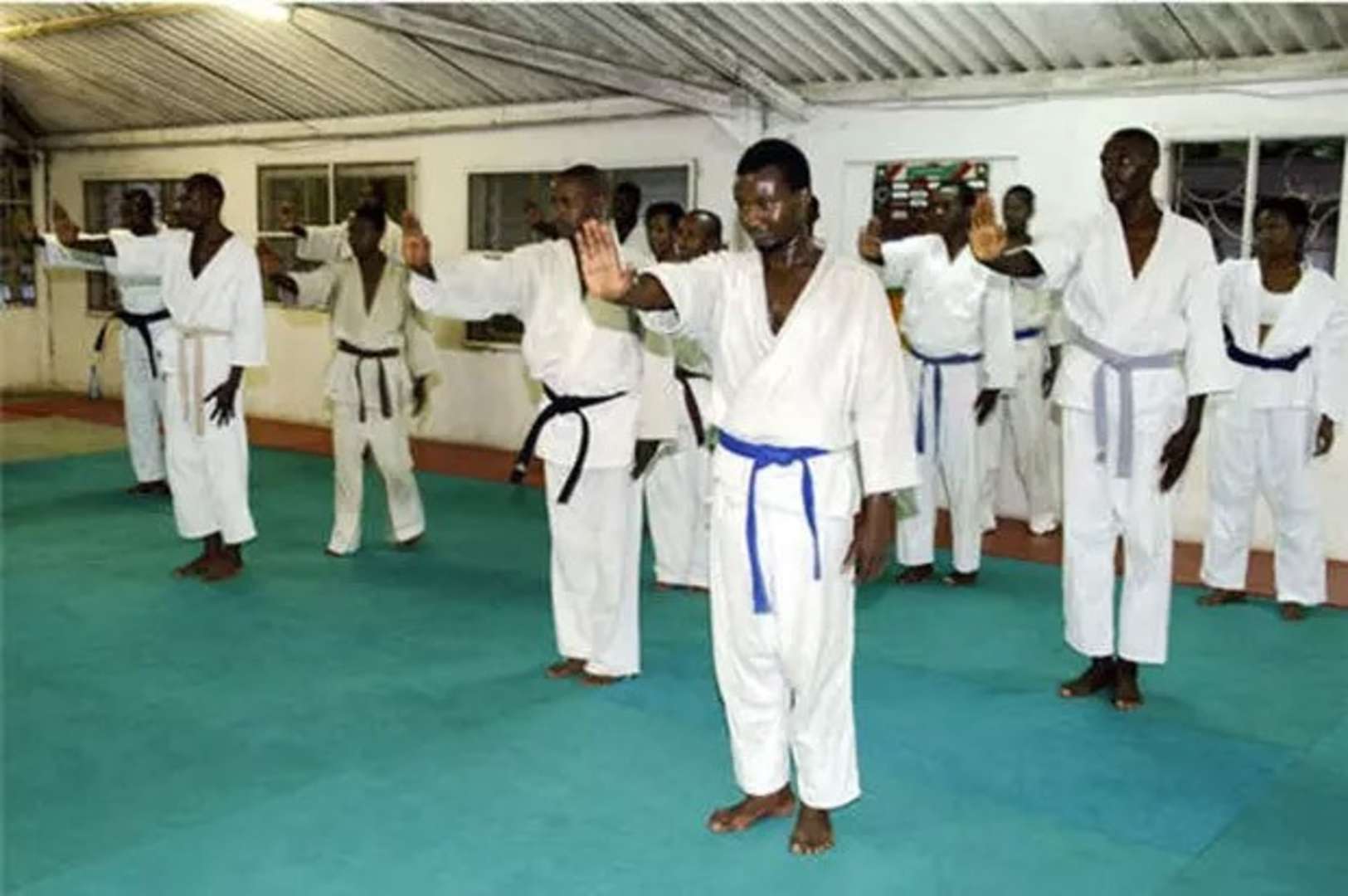
“In 2006, we had only three clubs in Bujumbura,” he recalls. “There was no competition, only recreational practice.” Despite judo having existed in the country since 1957, it lacked structure, visibility and opportunity but that reality did not last.
In 2007, the federation organised its very first national championship. It was a modest beginning; there were not even enough female participants to compete, but it marked a turning point. Since then, the championships have been held every year, becoming a cornerstone of Burindi’s development.
The ambition quickly expanded beyond the capital. Judo was introduced into regions where infrastructure was limited and where communities had been deeply affected by conflict. In those places, judo became more than a sport, it became a tool for rebuilding, discipline and unity.
Education played a central role in this growth. By integrating judo into schools and developing programmes within universities, Burundi created a sustainable pathway for future generations. Students trained not only as athletes but also as coaches and leaders, helping to establish new clubs across the country, from cities to rural communities.
As the number of practitioners grew, so too did the ambition. Burundi began participating in continental competitions and gradually stepped onto the international stage, attending grand prix events, grand slams and even world championships. Exposure to this level of competition revealed a new challenge: the need to elevate technical, tactical and physical preparation.
“We realised we had to change pace,” Manirakiza explains. Training structures were reinforced and inspiration was drawn from successful models around the world. Sessions became more frequent, more intense and more structured. Development did not stop with athletes. Recognising that judo requires a complete ecosystem, former competitors were encouraged to transition into refereeing and coaching. Building knowledge in these areas proved essential for long-term progress.
Year after year, Burundi has moved forward, first aiming simply to not finish last, then gradually climbing the rankings. Today, the focus is on reaching podia and securing gold medals. Progress may be incremental, but it is constant and deliberate.
“At the African level, we are competitive,” says Manirakiza. “Not yet among the very best, but we are improving and one day we will aim even higher on the world stage.”
Central to this vision is the next generation. The federation continues to invest heavily in youth development, ensuring that the foundation remains strong. Inspiring young people to embrace judo and to carry its values forward is seen as essential to sustaining growth.
This journey has not been achieved alone. Support from organisations such as the African Judo Union and the International Judo Federation, alongside local partners, has played a crucial role in turning ambition into reality.
From three clubs to a nationwide movement, the story of judo in Burundi is one of determination and belief. It is proof that with vision, structure and unity, even the most modest beginnings can lead to extraordinary futures.
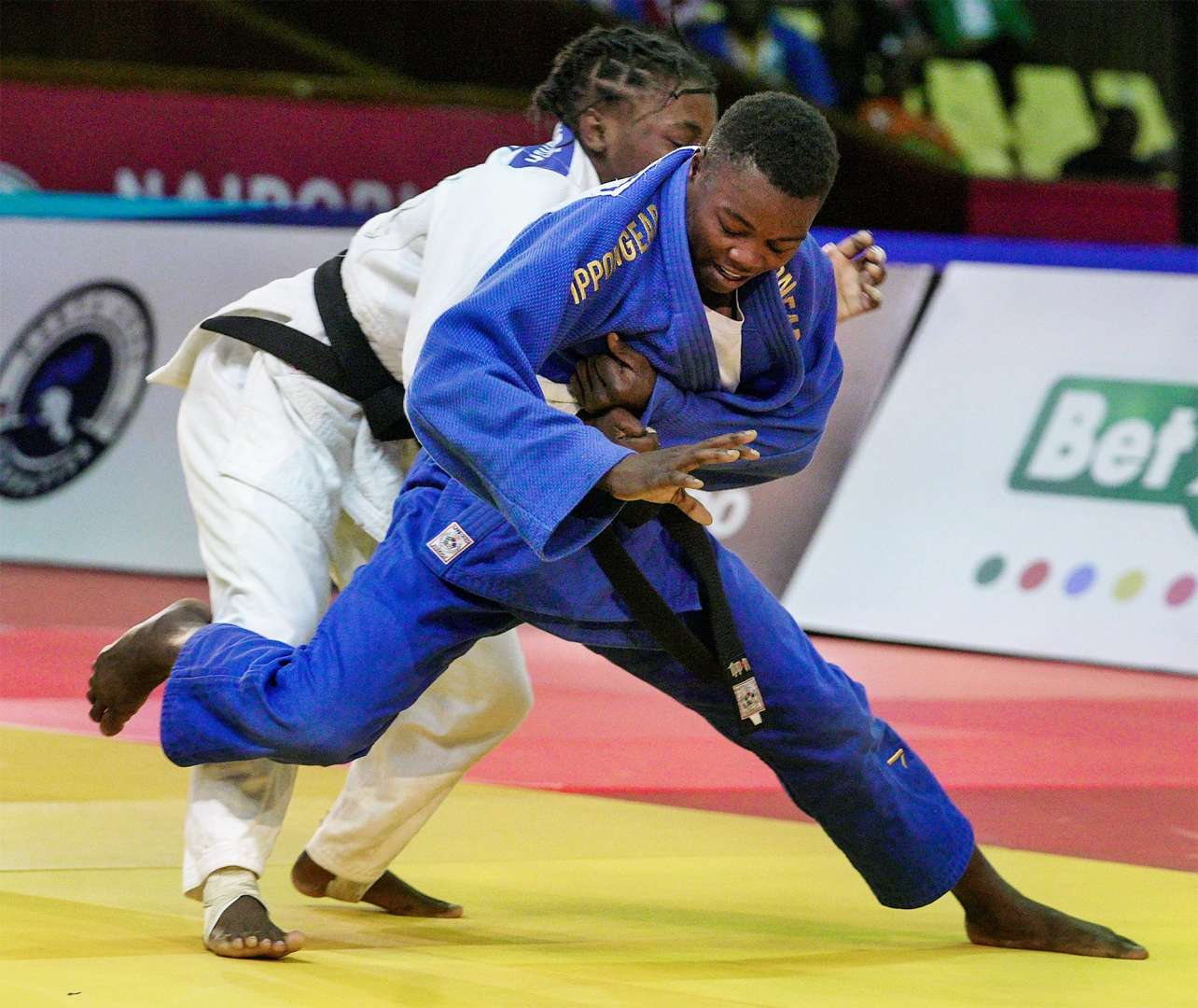
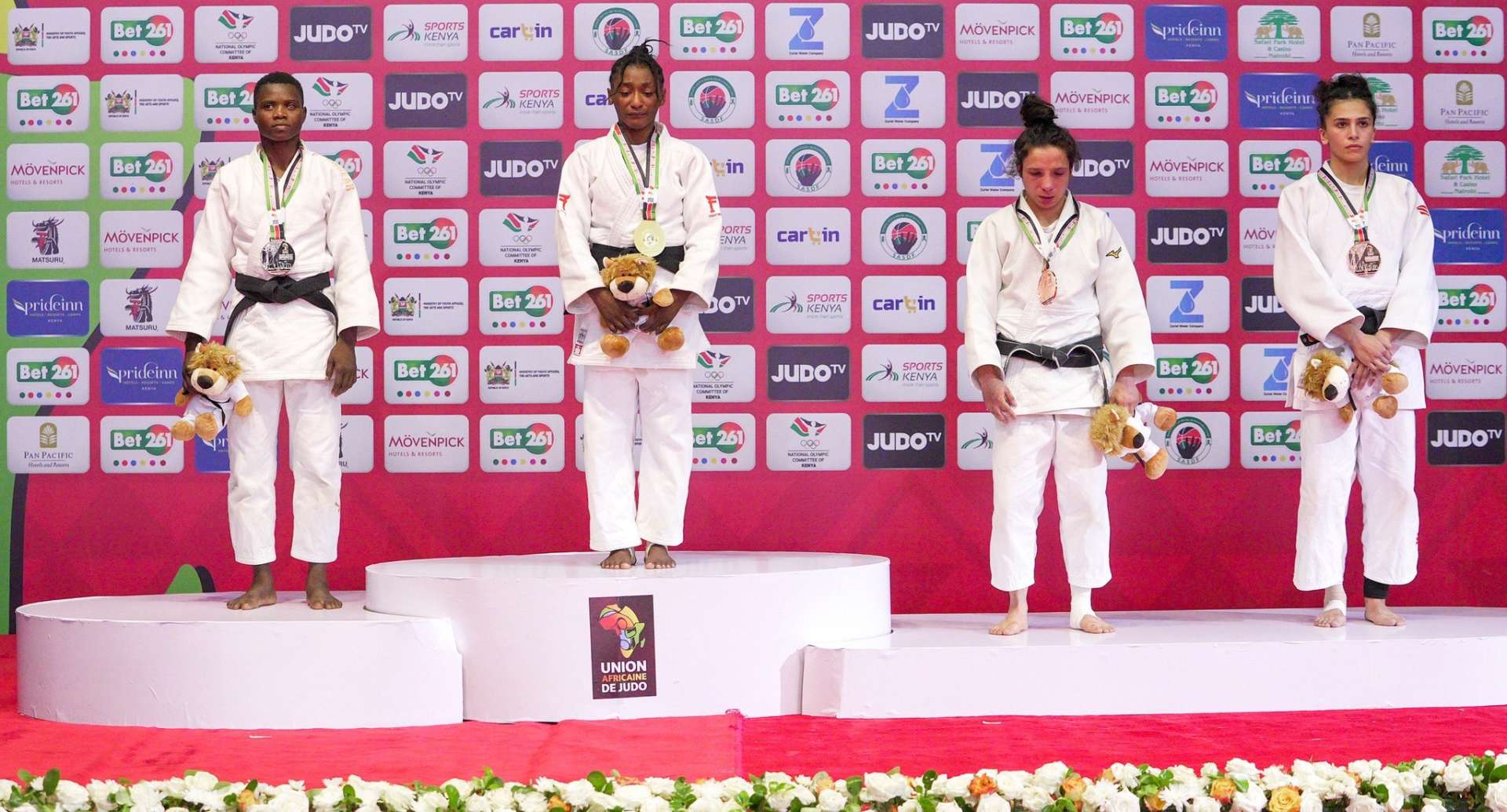
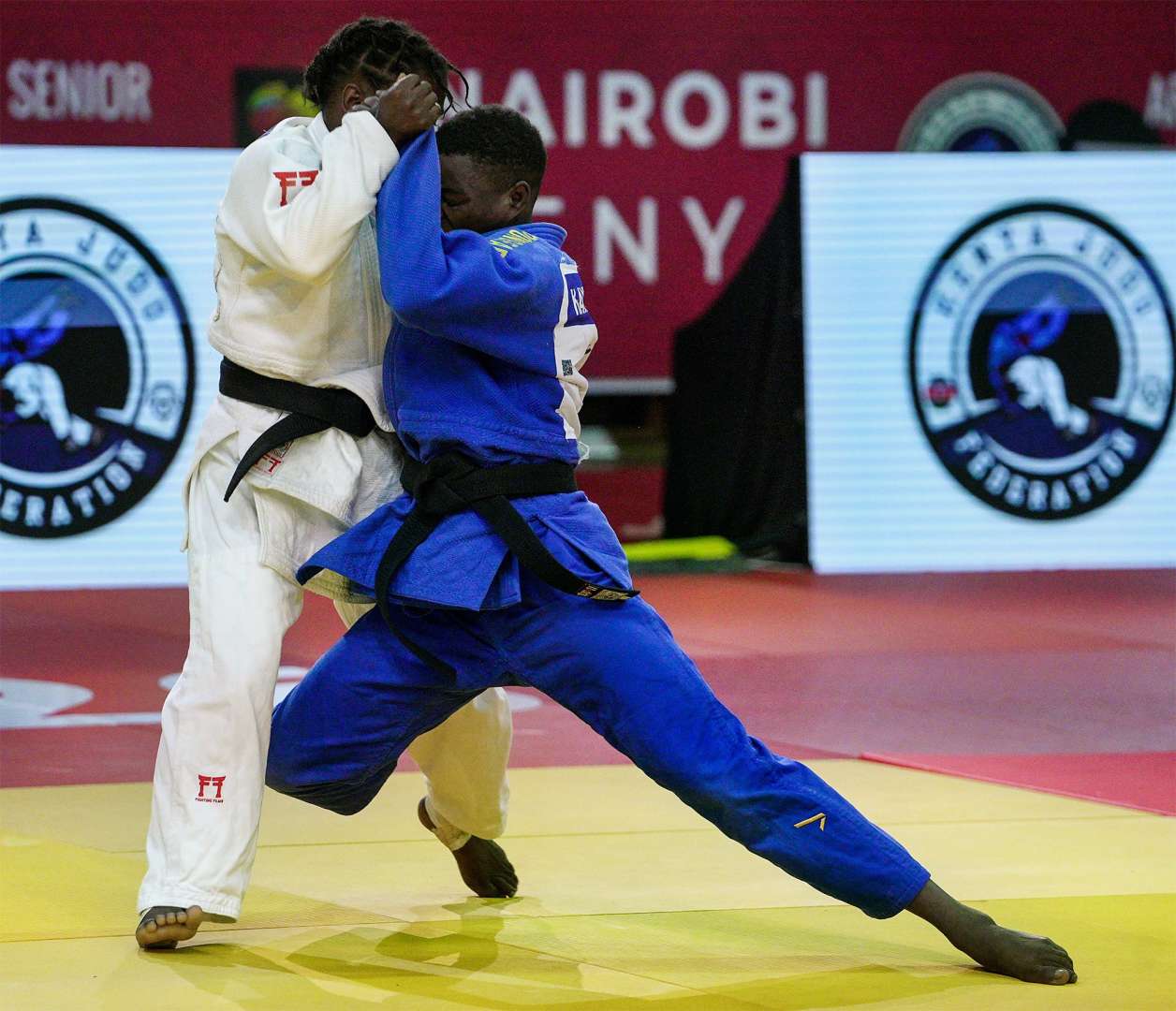
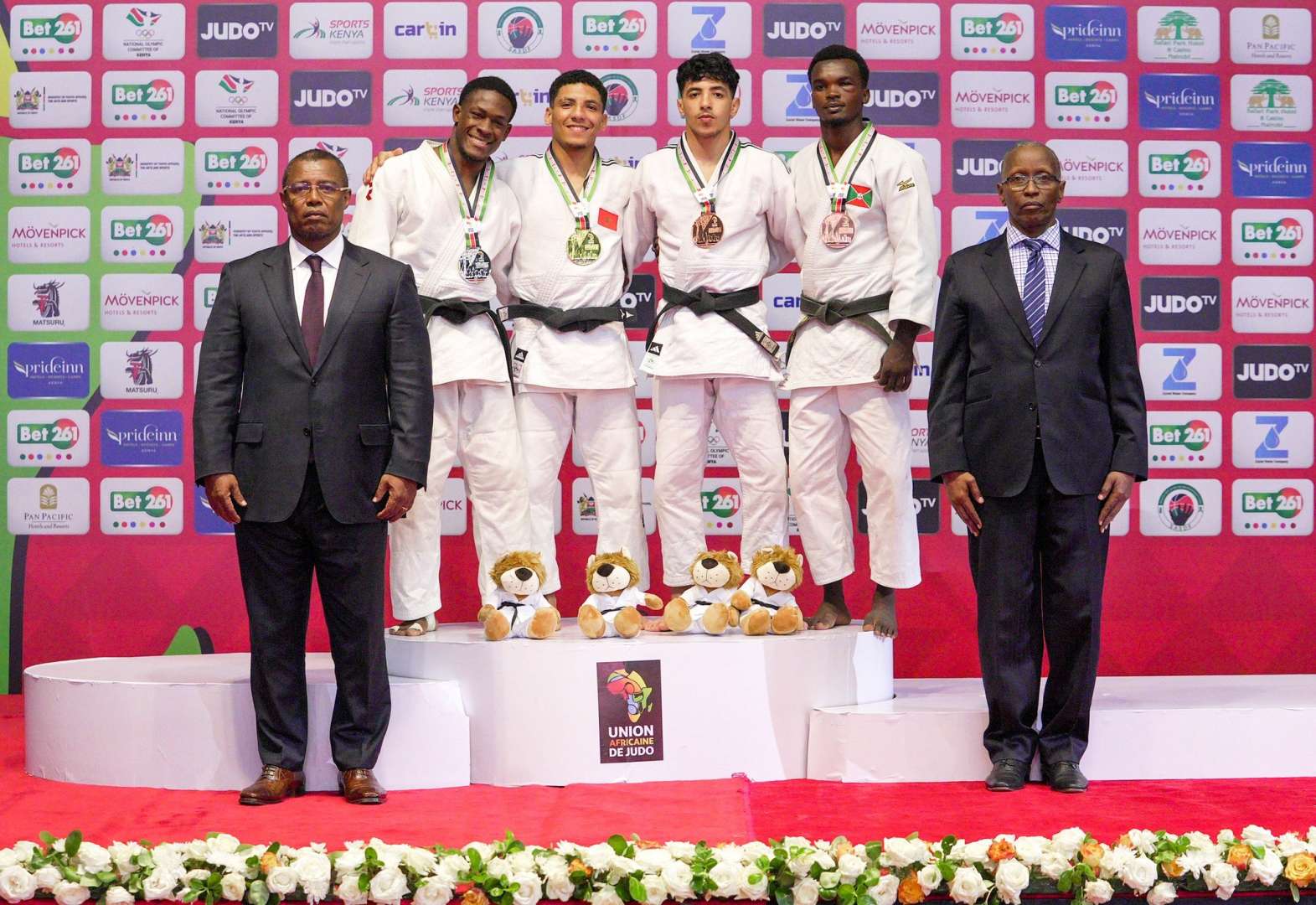
At the end of the first day of competition in Nairobi, Burundi had reason to be satisfied because for the first time in its history, the Burundian delegation won two continental medals in the senior category, thanks to Raoul Brillant Nganji in -60 kg (bronze) and Signoline Kanyamuneza, silver medallist in -48 kg.
Photo © African Judo Union