
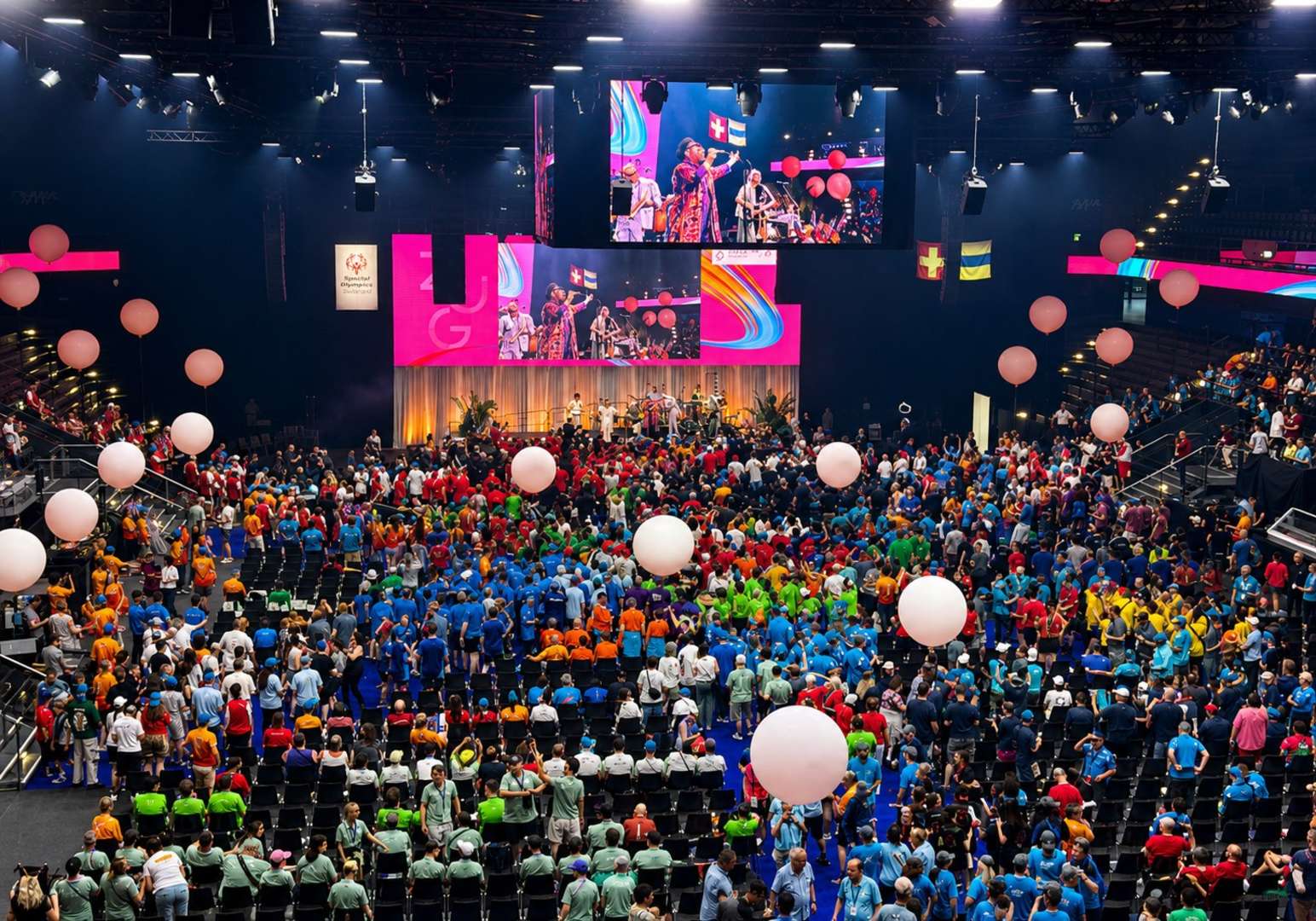
The event also highlighted the growing commitment of the International Judo Federation to adaptive judo through the recently established IJF Inclusion Commission. Created in 2025, the commission co-ordinates and supports all forms of adapted judo, including programmes for athletes with intellectual impairments, visual impairments and hearing impairments. Its mission reflects a simple belief: judo belongs to everyone.
The Special Olympics movement itself was founded in 1968 by Eunice Kennedy Shriver, who believed that people with intellectual disabilities should have access to sport and all the opportunities for growth, friendship and self-confidence that sport can provide. Nearly sixty years later, the movement operates in almost 200 countries and continues to transform lives every day.
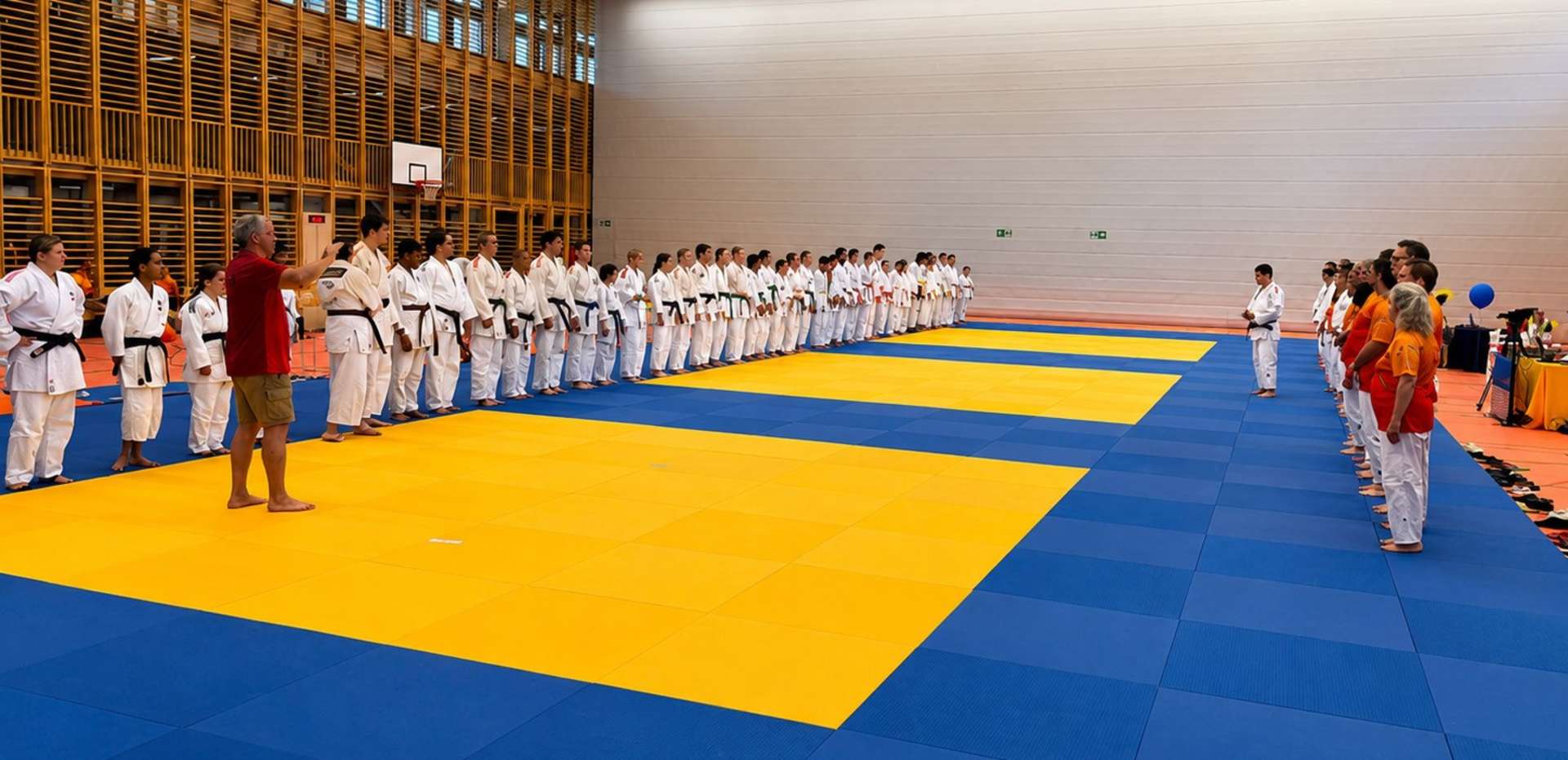
Judo occupies a special place within the Special Olympics movement. Beyond competition, it teaches respect, discipline, self-control and mutual support. While rooted in the principles established by Jigoro Kano Shihan, Special Olympics judo places particular emphasis on safety, ability and personal development. The objective is not simply to produce champions but to help athletes grow physically, mentally and socially.
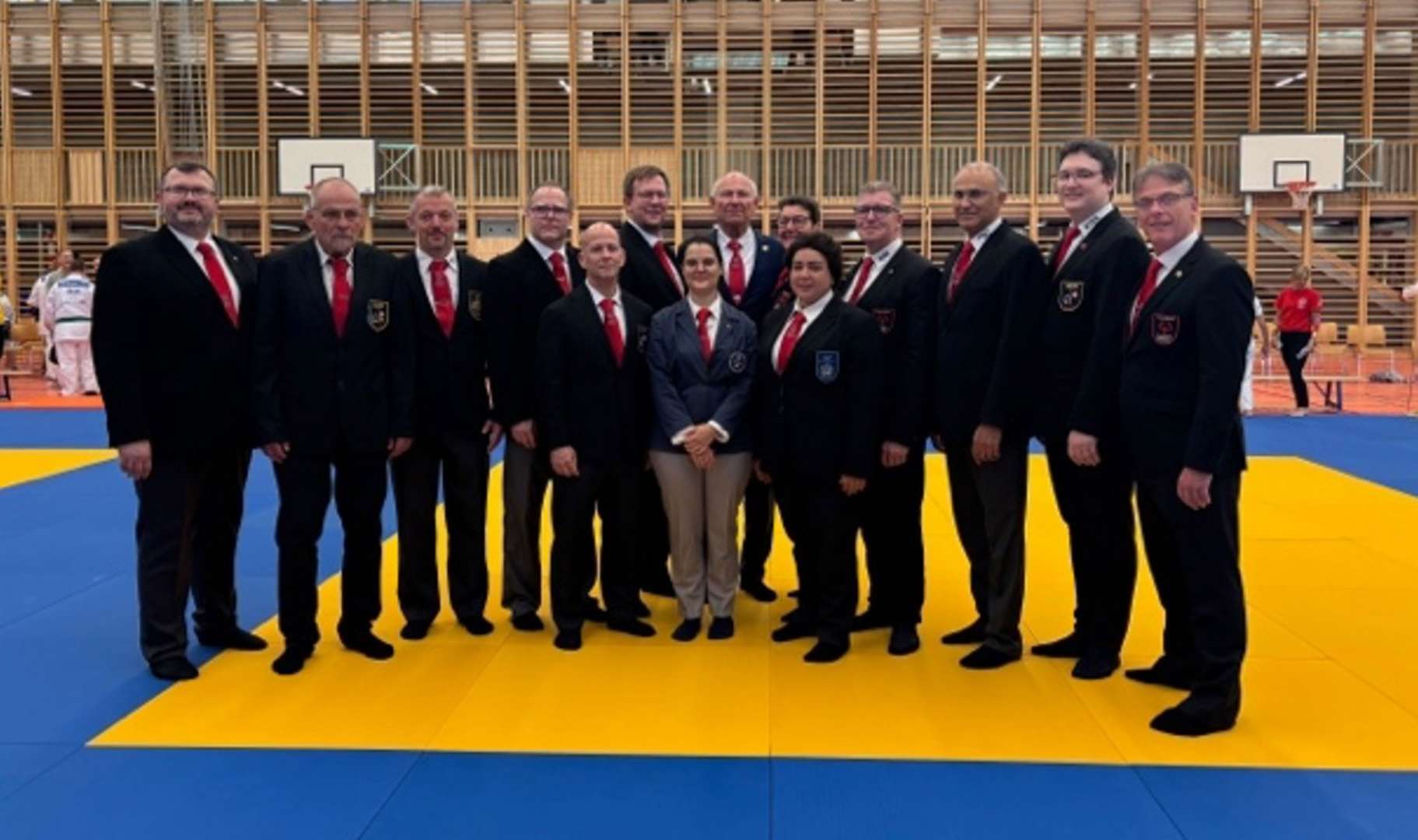
Fifty judoka from three countries participated in the Zug competition, supported by 13 international technical officials and an experienced team of organisers, referees and volunteers. Over four days, athletes took part in team events, shiai competitions and kata demonstrations.
The opening day featured a mixed team tournament, one of the most distinctive aspects of Special Olympics judo. Teams were carefully formed by technical experts, taking into account ability, experience, age, weight, gender and belt level. The result was a competition built around inclusion and balanced participation rather than traditional categories.
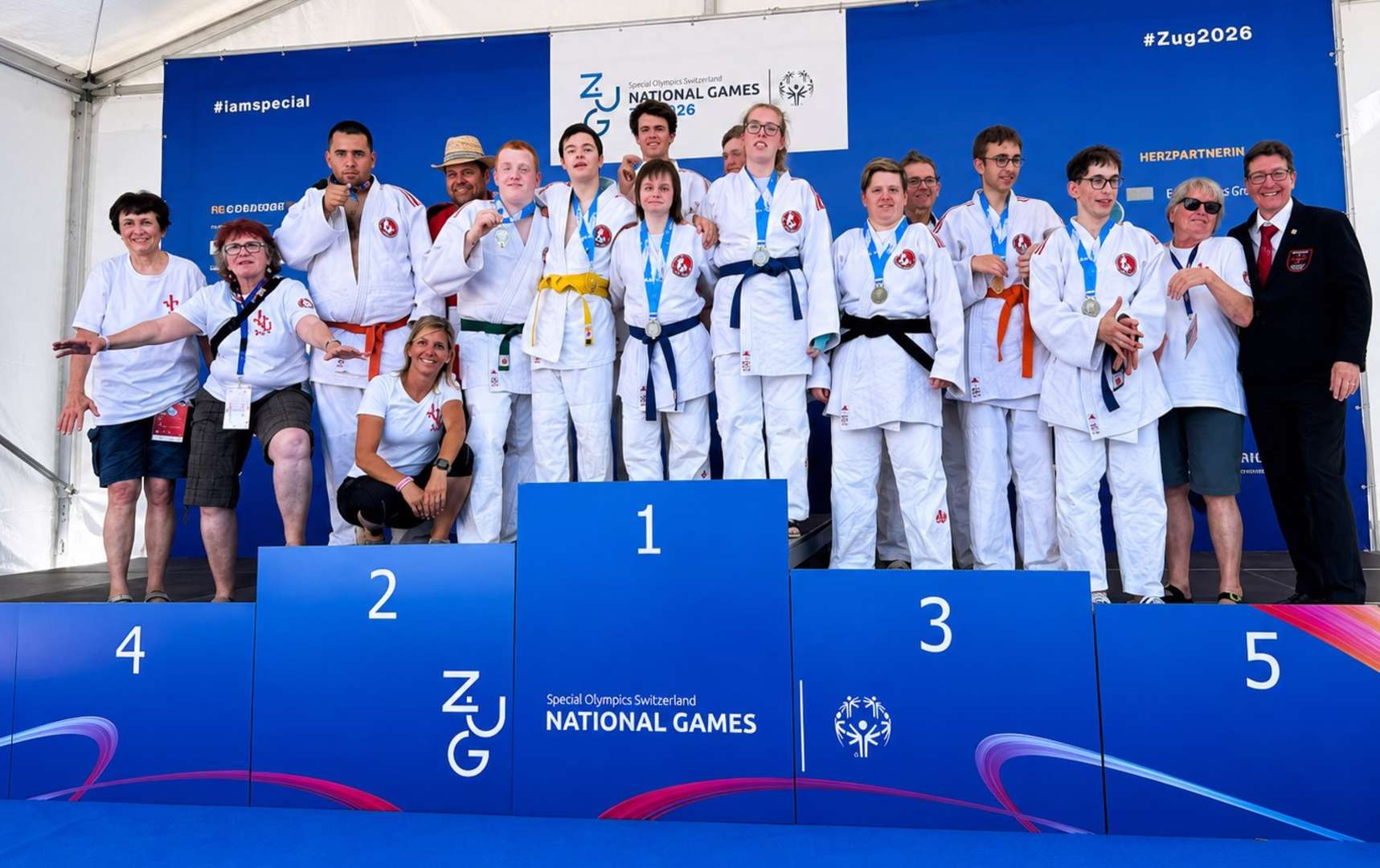
The second day focused on divisioning, a key Special Olympics process that ensures athletes compete against others of a similar ability. Through a series of exercises, games and judo activities, officials assessed movement skills, reactions and technical understanding before creating homogeneous competition groups.
Competition intensified on the third day with the shiai event. Fourteen divisions were formed and 72 contests took place in a round-robin format, guaranteeing every athlete several opportunities to perform, learn and enjoy the experience of competition.
The final day was dedicated to kata. Fourteen athletes demonstrated standing techniques adapted to their individual ability levels, showcasing precision, confidence and technical understanding developed through countless hours of practice.
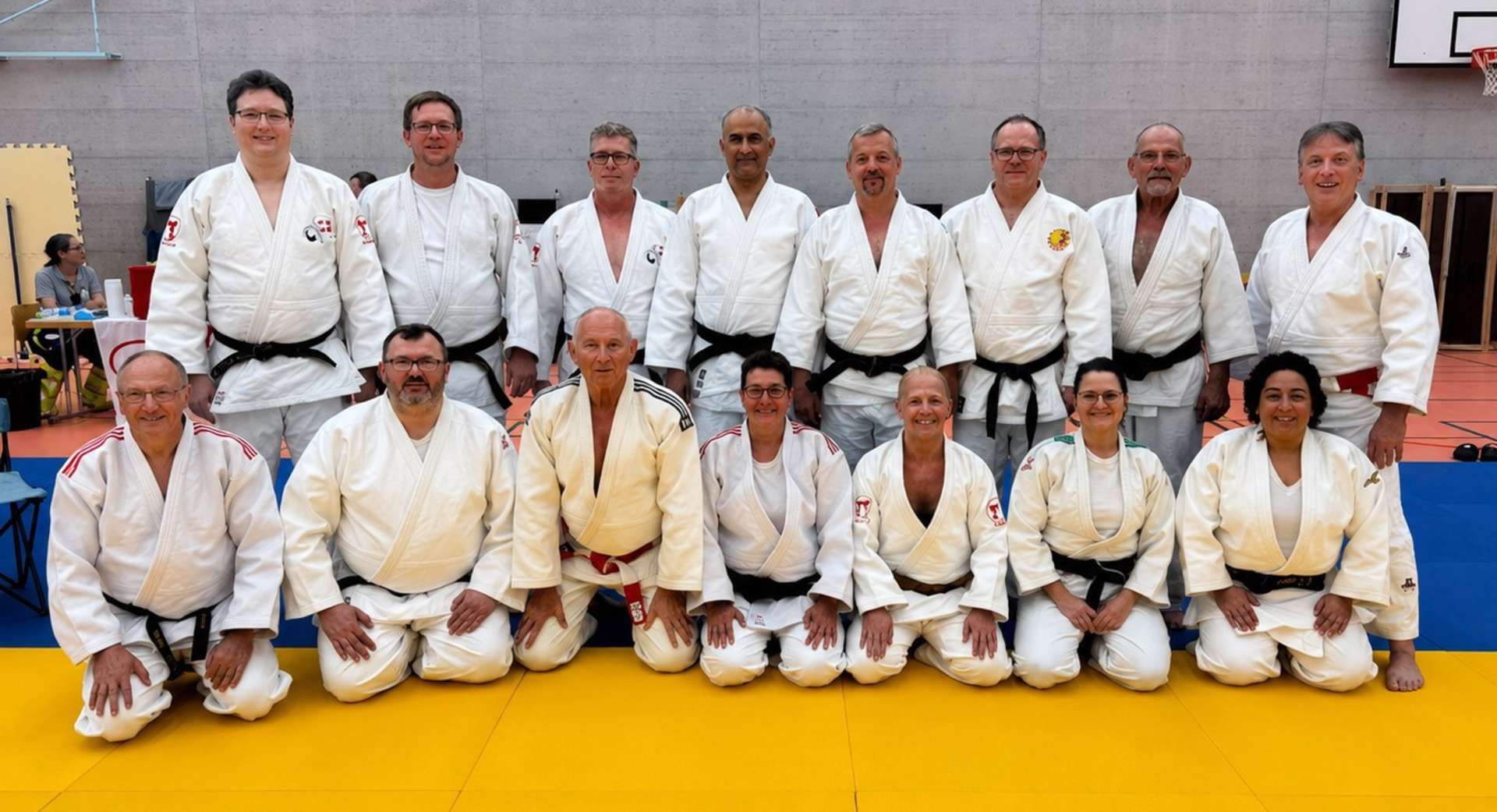
Perhaps the most remarkable achievement of the Games was not found in the medal count. Throughout the four days, athletes trained and competed twice daily, with each judoka enjoying numerous opportunities to learn, participate and succeed. Every athlete stepped onto the tatami knowing that their effort, courage and determination mattered.
The Special Olympics National Summer Games once again demonstrated that judo is far more than a sport. It is a powerful tool for inclusion, dignity and personal growth. In Zug, every bow, every throw and every smile served as a reminder that the values of judo truly belong to all.
More information about the IJF Inclusion Commission can be found HERE.
Source: Cecilia Evenblij, Sport Advisor and Technical Coordinator Judo, Special Olympics, member of IJF IC, Technical Delegate of the event and János Tardos chair IJF Inclusion Commission.