

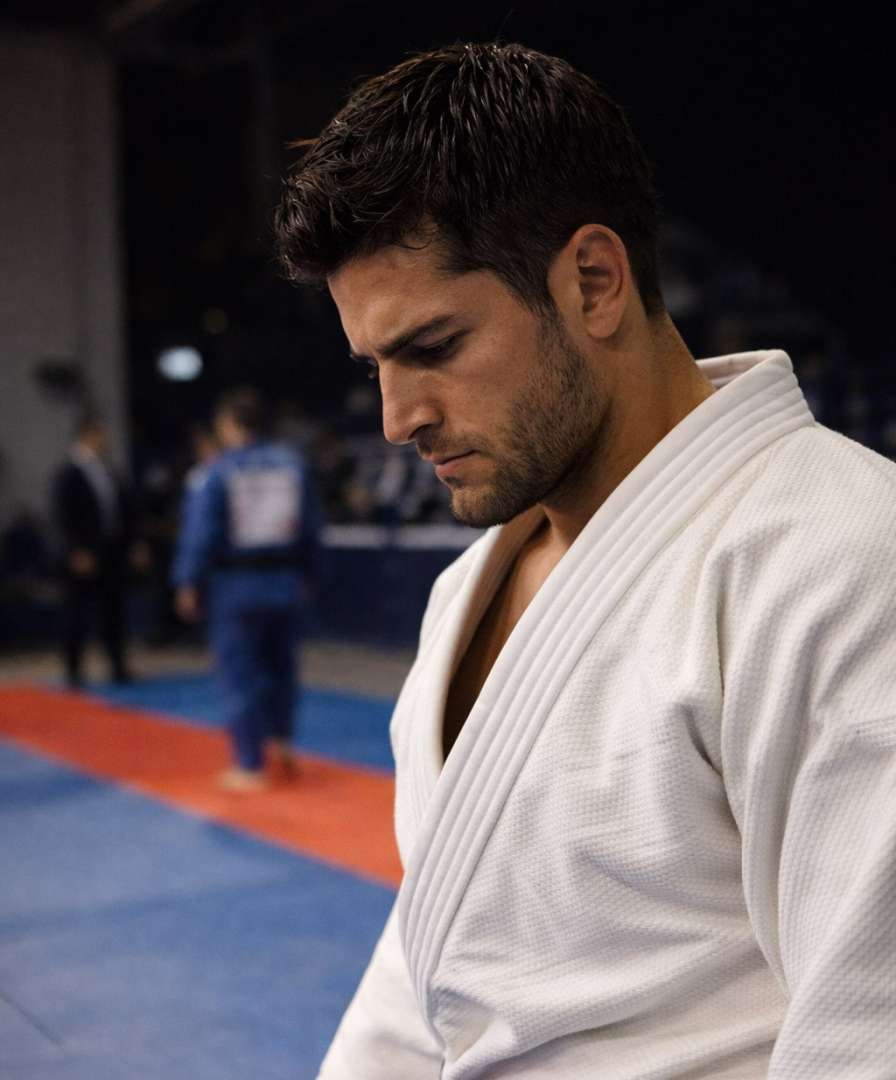
When announcing her decision, Gjakova spoke with striking honesty about what ultimately led her to step away from competition. “After winning a medal at the Paris Grand Slam 2025, I felt I really didn’t need to prove myself anymore. I just wanted to stop. I didn’t have any injuries. I was in good physical condition but I just didn’t have the will to continue.” Her words resonate deeply within the sporting world, because they touch on a reality many athletes experience but few openly express.
The willingness to continue, to train every day, to push limits, to accept heavy training loads, to risk injury without any guarantee of results, cannot be taken lightly. Elite athletes are often compared to Formula 1 cars: finely tuned, extremely powerful machines whose primary objective is performance. But even the most advanced machine cannot function without fuel and in sport, motivation and mental balance are that fuel.
Performing at the highest level is never improvised, regardless of the discipline. It requires years of sacrifice, repetition and resilience. This is precisely why mental health is not a secondary concern, but a central pillar of performance. Without the desire to fight, to improve and to endure pressure, physical preparation alone is not enough.
The idea is far from new. “Mens sana in corpore sano,” (a healthy mind in a healthy body), wrote the Roman poet Juvenal nearly two thousand years ago. Today, this principle feels more relevant than ever. The psychology of high-performance athletes, centred on individual excellence and constant progression, drives them to repeat efforts that may appear irrational to outsiders. Why run endless kilometres, lift heavy weights or spend hours in randori sessions day after day? Because performance demands it!
This constant strain on both body and mind can come at a cost. The intense demands of elite sport may affect sleep, emotional balance, eating behaviours and overall mental wellbeing. Judo, despite its strong educational and stabilising values, is not immune to these challenges.
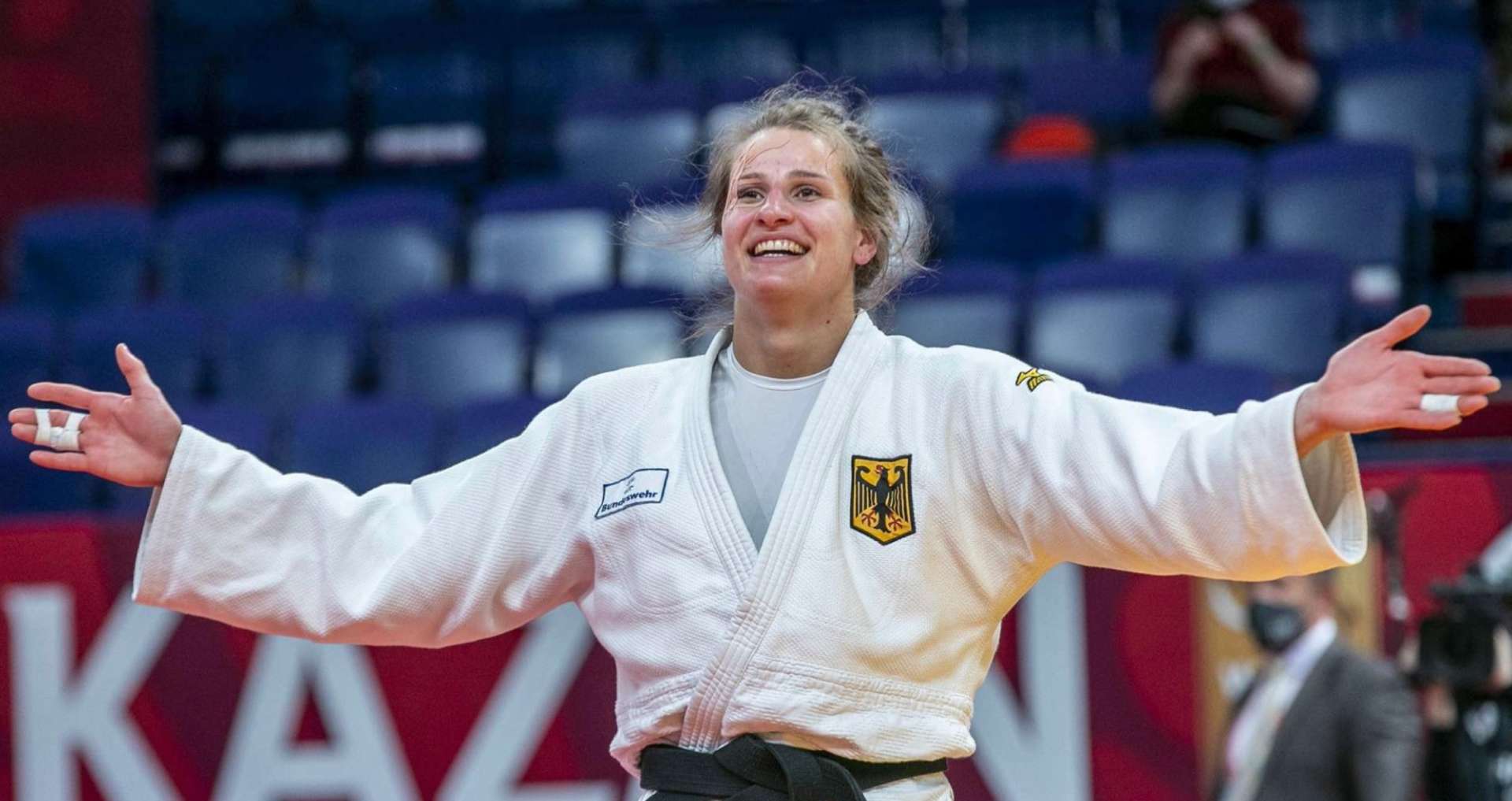
In 2022, German world champion and Olympic medallist Anna Maria Wagner addressed the issue courageously. “I believe that we are role models for young people, especially when we win medals at the highest level. I want to let everyone know that we can all fall into a depressive lethargy. I know it happens to other competitors but no-one talks about it, it’s taboo. But because I’m aware of my status as a world champion and Olympic medallist, I want to talk about it and tell them: this is normal, there is nothing to be ashamed of.” Her testimony marked another important step towards breaking the silence.
In recent years, mental health has gained increasing visibility in the sporting world. The path towards destigmatisation is clearly under construction. A powerful symbol of this progress was the creation of the first dedicated mental health space for athletes at the Olympic Village during the Paris 2024 Olympic and Paralympic Games. Long before that initiative, however, various support systems had already begun to emerge.
This is a subject the International Judo Federation has also chosen to address openly. By encouraging dialogue, education and collaboration between coaches, medical staff and mental health professionals, the IJF recognises that psychological wellbeing is inseparable from performance.
One of the sport’s greatest champions, Teddy Riner, has spoken openly on the matter. Eleven-time world champion and five-time Olympic champion (including team wins), he was named a mental health ambassador in France on 2nd June 2025, when mental health was declared a national priority. “I know the benefits of this kind of support and how important it is to have a professional within the team around me. My mental health is what made the real difference throughout my career,” he explained.
Scientific research supports these experiences. Studies in sport psychology show that mood states such as anger, tension, confusion, depression, fatigue and vigour, along with anxiety, motivation and mental toughness, play a decisive role in judo performance. Successful judoka tend to display higher levels of vigour, better control of negative emotions, lower anxiety and stronger motivation and mental resilience than others. Co-operation between coaches and sport psychologists is therefore essential to monitor and support these factors.
Nora Gjakova’s decision reminds us that stopping can sometimes be as courageous as continuing. Mental health is not a sign of weakness; it is a performance factor, a human reality and a responsibility shared by athletes, federations and the entire sporting ecosystem. In recognising this, judo continues to move forward, not only as a sport of physical excellence but as one that values the whole person.