

Sakura Judo was born from a simple observation: while judo has long been recognised for developing resilience, self-confidence, courage and respect, these qualities have not always translated into long-term opportunities for women to remain and thrive within the sport. Too many women leave judo after their competitive careers or feel that leadership roles are beyond their reach.
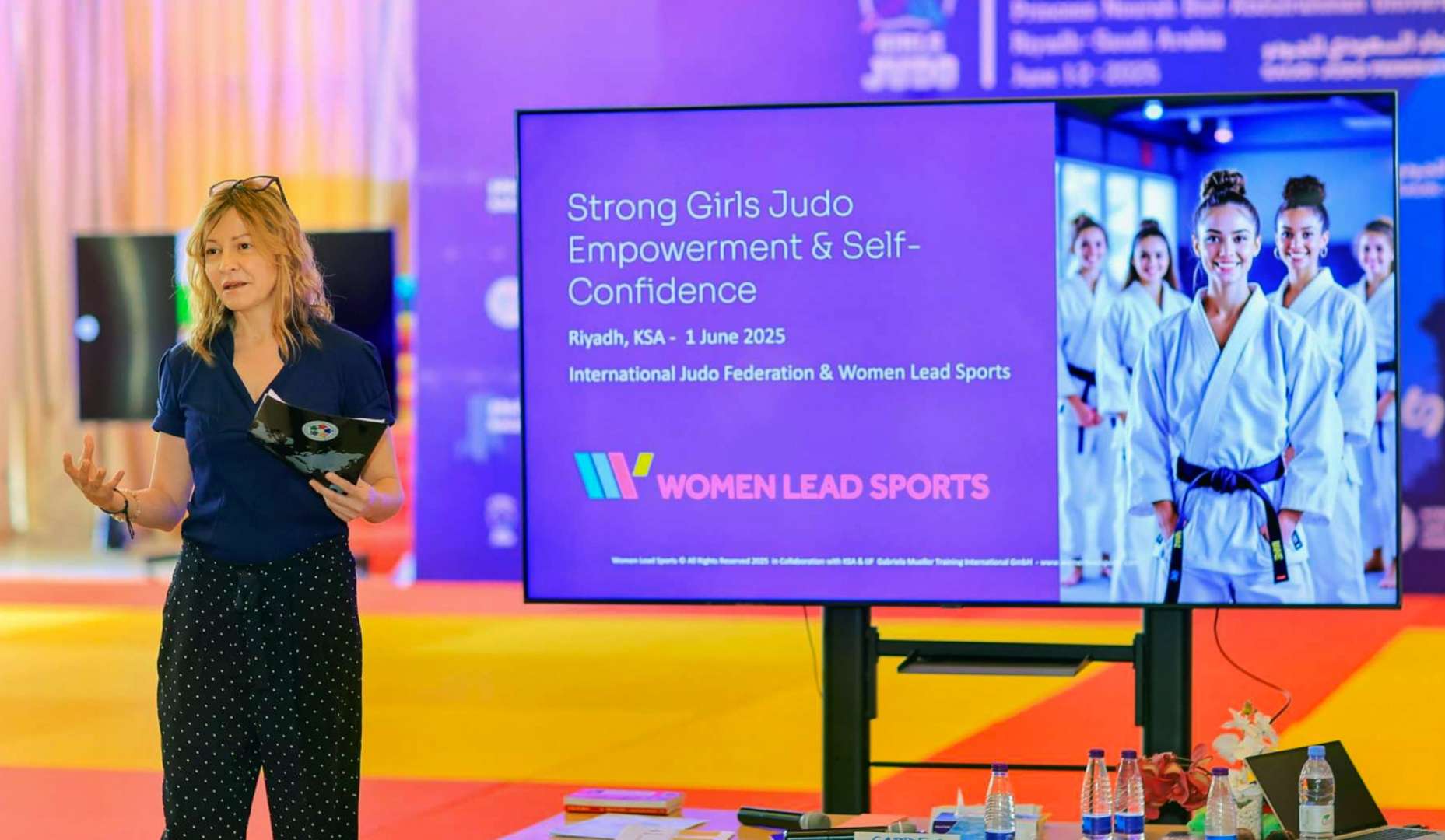
"I had the idea of this programme when I realised that we were not using our sport as a distinct means of women's empowerment and leadership fully," explained Larisa Kiss, IJF Project Lead and Director of Olympic Games and Olympic Movement for Judo. "After almost twenty years in the international judo family, I have been continually inspired by the women in our sport, whether as athletes, coaches, referees or administrators. Their contribution is priceless. Yet I also realised that many women still question whether they have a place in judo after competition. We wanted to move beyond identifying the problem and instead provide motivation, practical tools and genuine opportunities to help women continue their journey, both on and off the tatami."
Developed with the support of IJF President Marius Vizer, Sakura Judo combines leadership development with technical education, creating a unique learning environment where participants strengthen both their professional and practical judo skills. The programme brings together internationally recognised experts in leadership, education and judo to provide functional knowledge that participants can apply within their own national federations and communities immediately.
President Vizer said, "Sakura Judo is a new IJF gender equality initiative aimed at inspiring and supporting women in judo to remain part of our sport and continue on their career path with judo. Throughout these three days, participants will work with leading experts in leadership and judo who will share their experience, knowledge and inspiration. We want every woman taking part to know that she is valued and that she is an essential member of the judo family."

The programme reflects the diversity of careers available within judo. Leadership and empowerment masterclasses are combined with practical IJF Academy sessions covering technical skills, kata and refereeing, while discussions inspired by the Women in Sport High-Performance (WISH) programme help participants develop confidence, communication skills and leadership strategies for the future.
The Peruvian Judo Federation has tailored the programme to address its own national priorities, placing particular emphasis on strengthening women's participation and retention in judo, developing female coaches and sport administrators, promoting safe sport and athlete protection, and providing practical self-defence education. Thirty participants representing athletes, coaches, referees, organisers, administrators and women in leadership positions will take part in the seminar at the VIDENA Sports Complex in Lima.
Sakura Judo is designed not as a stand-alone event but as the beginning of a long-term development pathway. Participants are encouraged to continue their education through the IJF Academy, become mentors and role models within their national federations and help build stronger, more inclusive judo communities. By investing in women today, the IJF is investing in the future of judo itself.