

The third defeat remains one of the most dramatic moments in recent judo history though. Arriving in Paris as the overwhelming favourite to defend the Olympic title she had won in Tokyo in 2021, Abe was stopped in the round of sixteen by Diyora Keldiyorova (UZB), who would then continue her remarkable journey towards becoming Uzbekistan’s first female Olympic judo champion.
The images of Uta Abe’s distress after that defeat remain engraved in the memory of the judo world. Yet, watching her performance in Ulaanbaatar and considering that, at only 25 years old, she already possesses one of the most extraordinary records in the history of the sport, it is clear that the pain of Paris has been transformed, not forgotten, because great champions never erase their failures. Instead, they turn them into lessons. In judo, perhaps more than in any other sport, every defeat is a reminder of humility, a value deeply rooted in the philosophy established by Jigoro Kano Shihan.
What is certain is that Uta Abe has done everything possible to ensure that history does not repeat itself. And, to be fair, when an athlete has competed in 26 international events and has only been defeated three times, two of those defeats coming in finals, we are already witnessing a career that borders on perfection. It places her among the greatest judoka of all time, and what makes it even more remarkable is that her story is far from over.
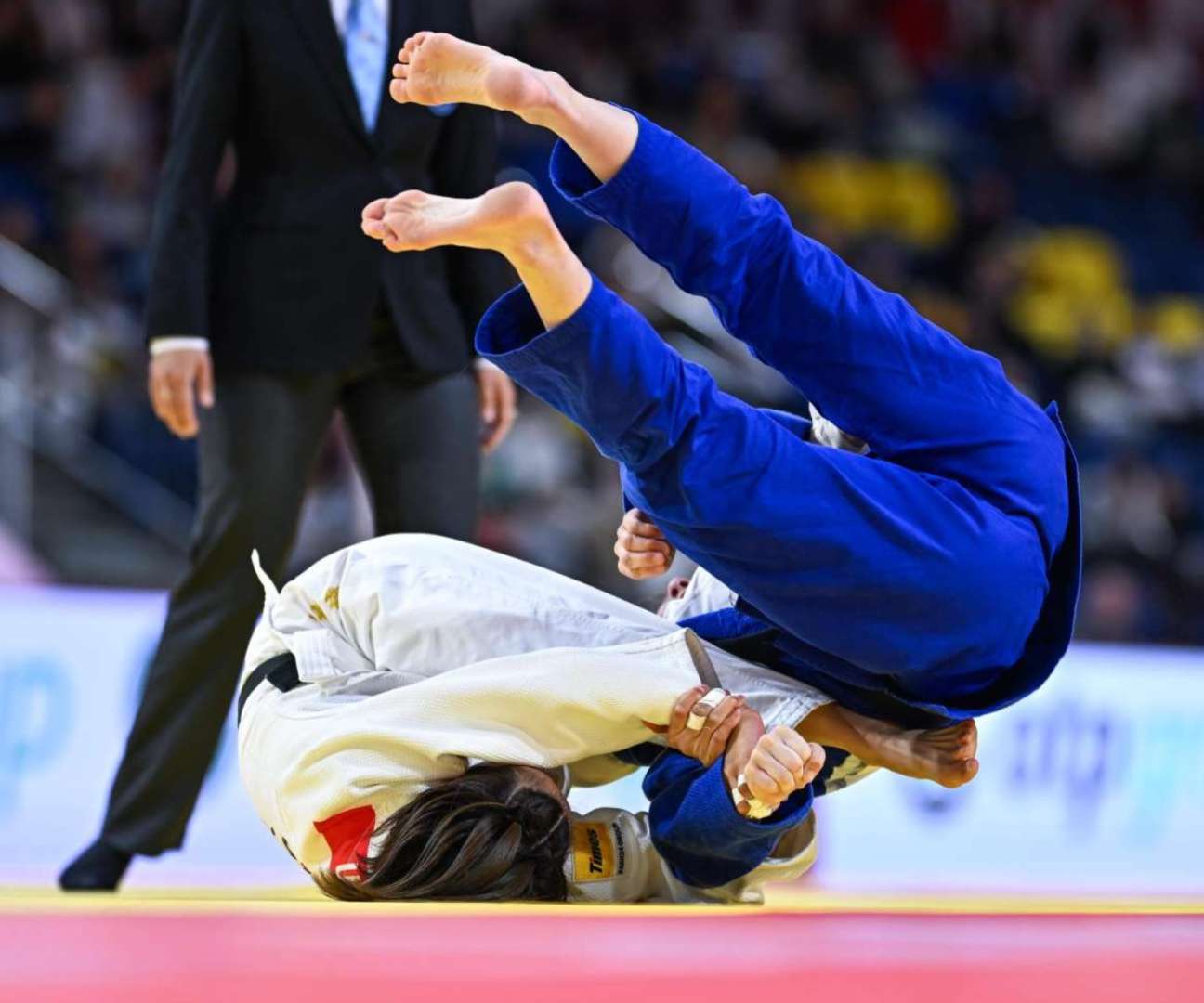
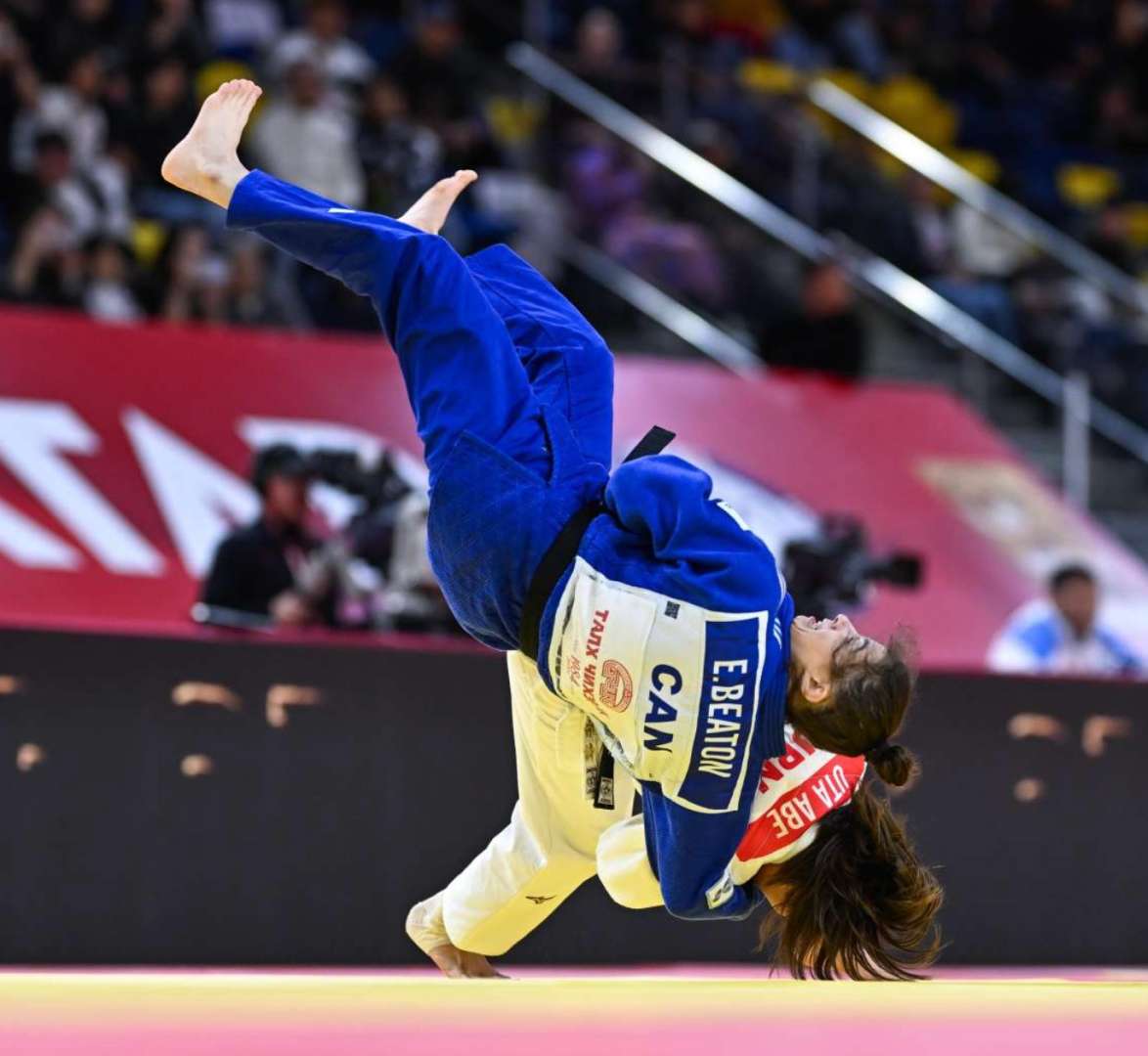
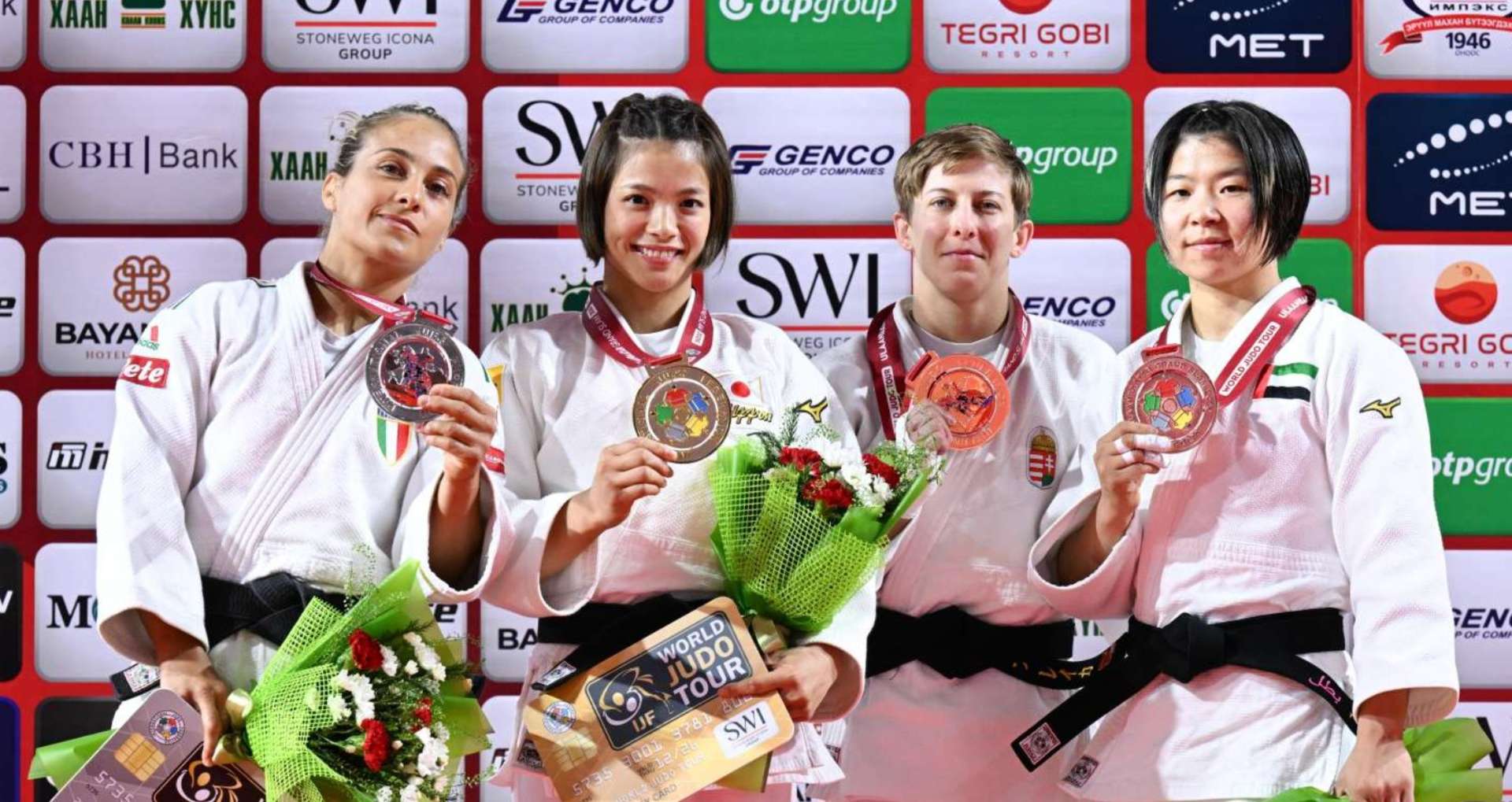
We sometimes become so accustomed to mentioning her achievements that we almost forget their magnitude: Olympic champion, five-time world champion and now twelve-time grand slam winner. The numbers are astonishing, but statistics alone cannot explain her greatness. What truly impresses is her ability to evolve while maintaining an exceptional level of consistency. In Mongolia, even during a day of total domination, she continued searching for new solutions, experimenting with different transitions and attacking directions in ne-waza.
Anyone who has watched Uta Abe training understands that excellence is not a coincidence. There is undoubtedly talent within the Abe family. Her brother Hifumi is himself one of the greatest champions of his generation. There are natural qualities that cannot be ignored, but above all there is relentless work, a perfectionist’s attention to detail and an almost extraordinary ability to repeat the same technical sequences with precision day after day.
However, to celebrate Uta Abe is also, in many ways, to celebrate every opponent who has stood in front of her. There can be no great champion without great adversaries. Every judoka who steps onto the tatami against her arrives with the same ambition: to find the answer, to discover the weakness, to achieve what very few have achieved before. Amandine Buchard (FRA) did it. Diyora Keldiyorova did it. Their victories are not interruptions in Abe’s story; they are part of what makes her story meaningful.
This is one of the great lessons of judo. The opponent is not an enemy but a partner in the pursuit of improvement. Through mutual respect, courage and sincerity, each contest allows both athletes to progress. The greatness of a champion is therefore measured not only by victories but also by the quality of the challenges faced and the respect shown towards those who provide them.
Ulaanbaatar offered a powerful reminder of who Uta Abe is. After six months away from competition, she returned with total control and an unrivalled technical display. Her next objectives are already clear: the 2026 Baku World Championships and the long road towards the Los Angeles 2028 Olympic Games.
Her opponents will continue to study her. They will continue searching for the key to defeat her. And that is exactly why Uta Abe will continue to become stronger. Because greatness in judo is never built alone.