
Organised by the IJF Academy under the auspices of the International Judo Federation, the event brought together 44 participants from eight different countries for an intensive week of practical training, evaluation and knowledge exchange.
For the Brazilian Judo Confederation, hosting the course again is an important step in strengthening the professional development of coaches and officials throughout the country.

“This is a very important initiative for the judo community,” explained Thiara Bertoli, Competition Manager of the Brazilian Judo Confederation. “The certification is also required for professionals wishing to work at World Judo Tour events. Organising the course in Brazil gives our coaches and referees direct access to this level of education.”
Founded in 2013, the IJF Academy has become one of the major educational pillars of world judo. Through its programmes, coaches and officials from around the globe receive standardised education based on shared technical and pedagogical principles. Brazil has now hosted the programme for the third time, following previous editions in 2019 and 2023.
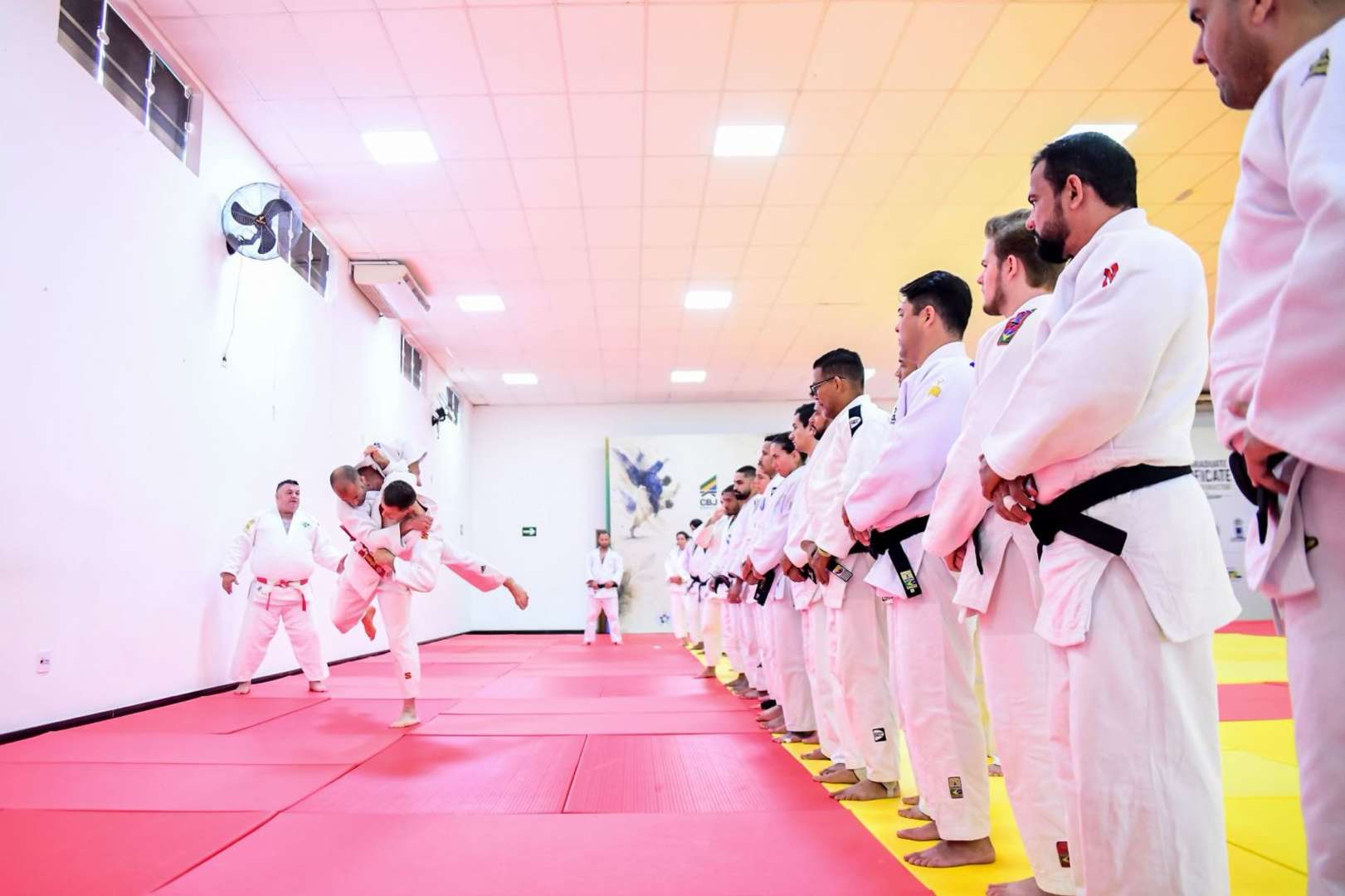
One of the major developments of this year’s course was the integration of referees alongside coaches within the same educational framework. For the IJF leadership, creating a common understanding of judo is essential for the sport’s long-term development.
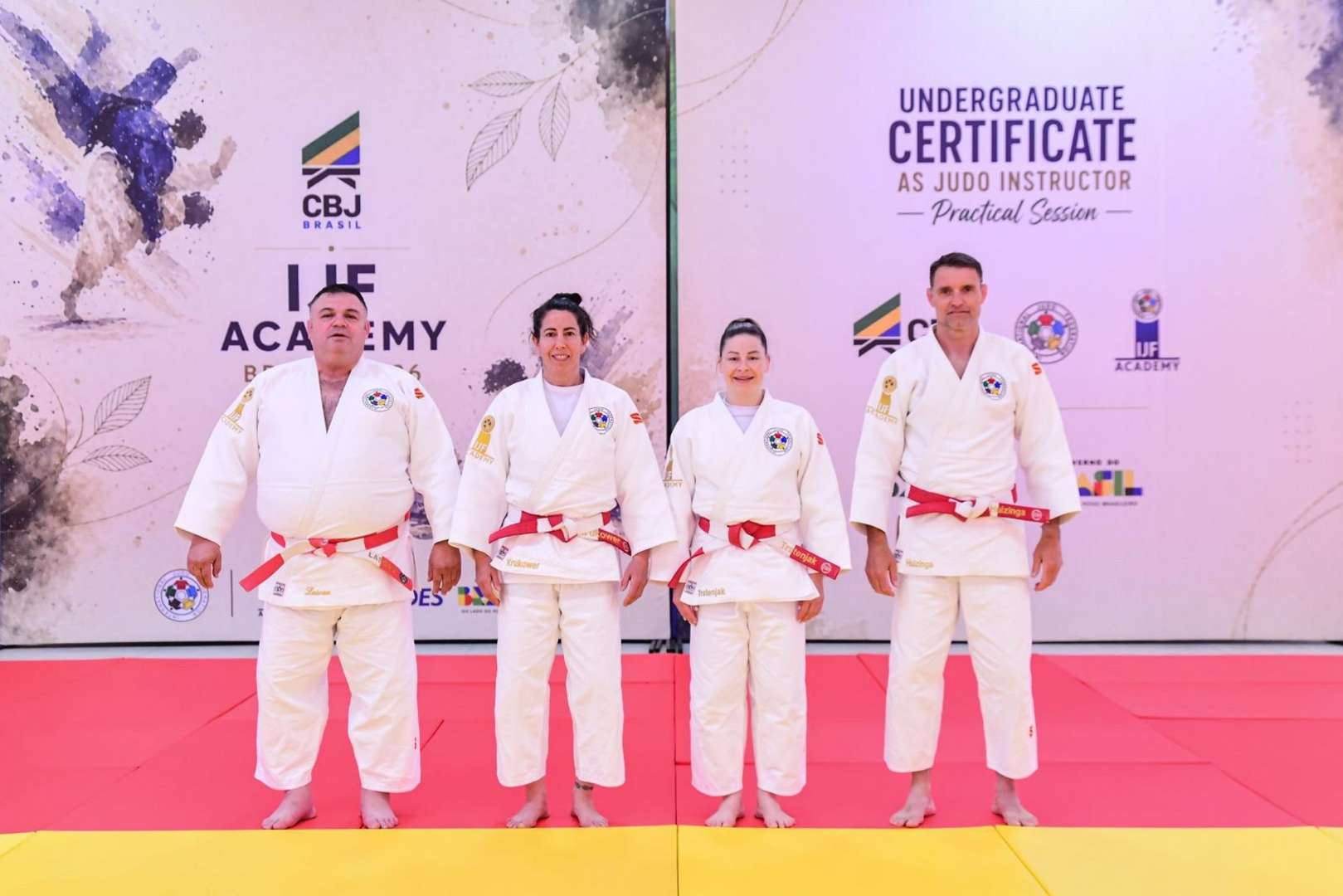
Florin Daniel Lascau, head of the IJF Academy, underlined the importance of harmonising education worldwide. “The objective of the IJF Academy is to provide the same educational level to coaches everywhere in the world. Now referees are also participating because refereeing is universal. It is very important that referees and coaches share the same understanding of judo.”
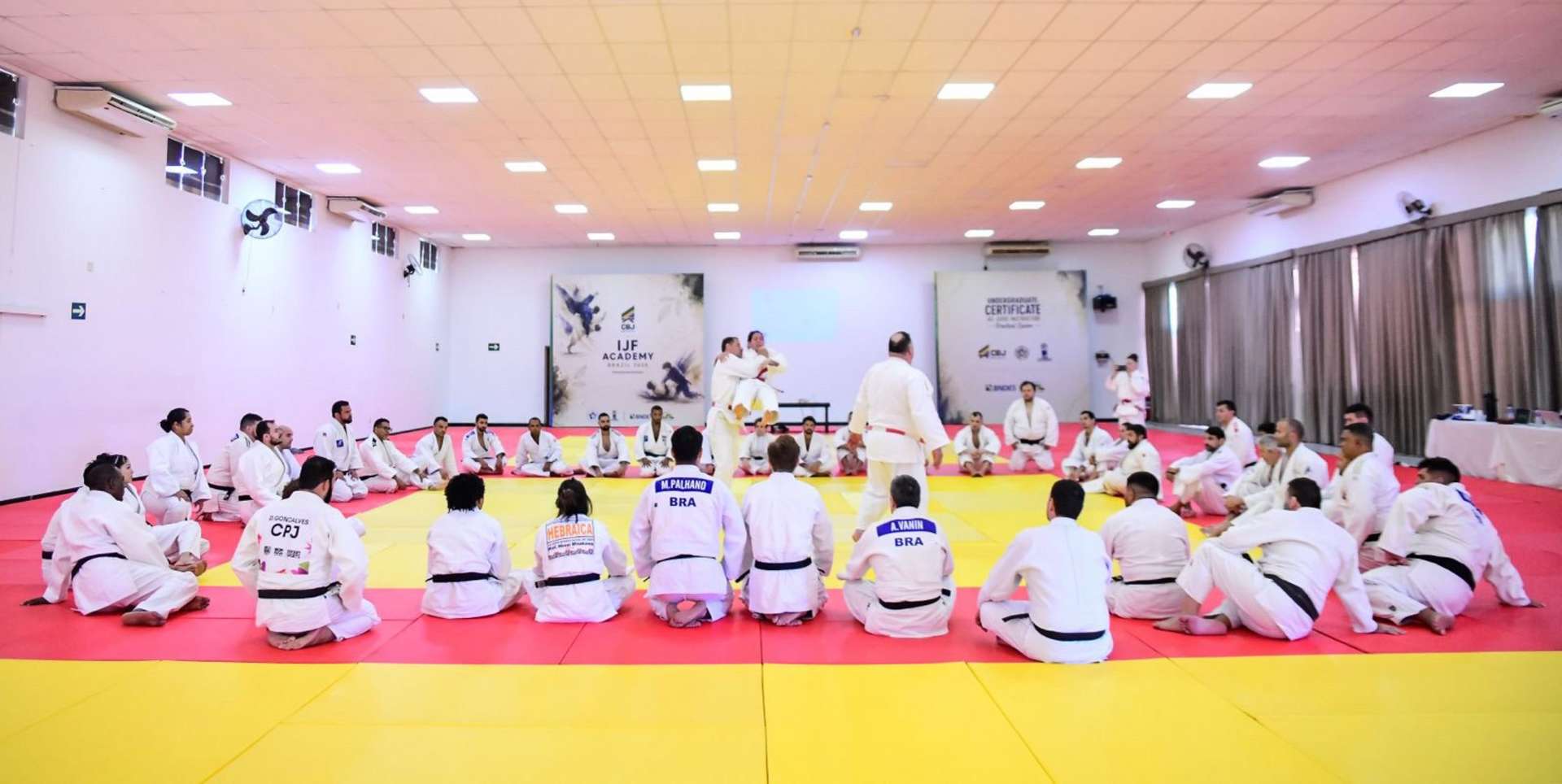
Olympic champion Tina Trstenjak, an IJF Academy expert, also highlighted the importance of developing a common judo language across the international community. “Coaches, referees and athletes must understand judo in the same way,” she said. “That shared vision is very important for the development of our sport.”
Throughout the week, participants followed practical sessions dedicated to tachi-waza, ne-waza and kata during both morning and afternoon training blocks. The practical component is mandatory for candidates who have already completed the online theory programme and wish to officiate or coach at major international competitions such as world championships, World Judo Masters, grand slams and grand prix.
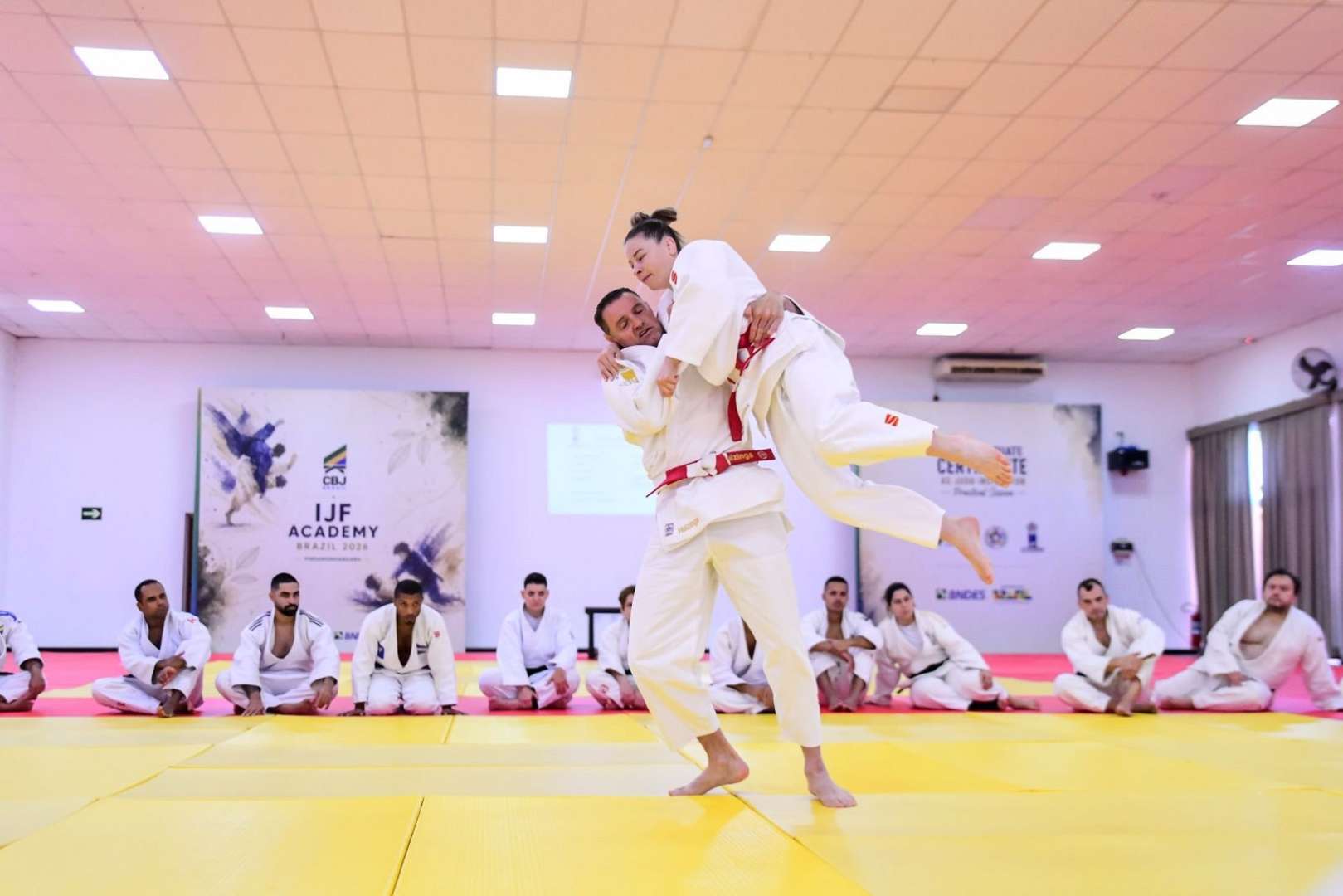
The course was organised in partnership with the International Olympic Committee’s Olympic Solidarity programme and also serves as a valuable opportunity for international exchange. Alongside Brazilian participants, the event welcomed representatives from France, Spain, South Africa, Peru, Chile, Colombia and Luxembourg.
By hosting the IJF Academy, Brazil continues to demonstrate its commitment not only to performance but also to education, knowledge sharing and the long-term development of judo worldwide.
Photos © Anderson Neves/CBJ