
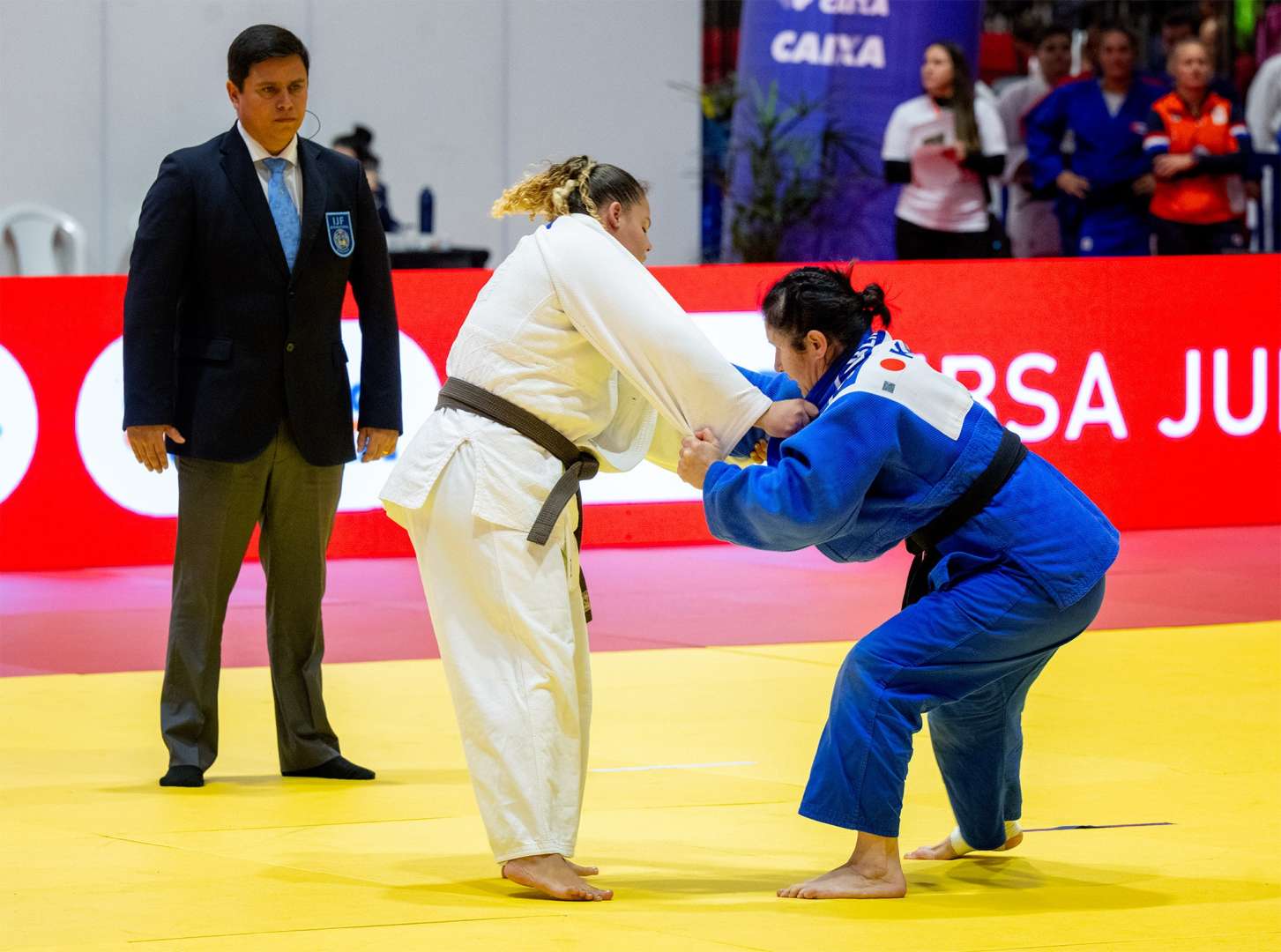
Yet anyone attending an IBSA competition soon realises that the men and women wearing a referee's badge fulfil a role that goes far beyond applying the rules. They are the very same officials who referee the World Judo Tour, bringing with them exactly the same technical expertise, the same standards of excellence and the same responsibility to guarantee fairness. In Para judo, however, their mission extends well beyond judging the contest.
Long before the referee announces Hajime, their work has already begun. A J1 athlete cannot simply walk confidently to the centre of the contest area. The referee welcomes them onto the tatami, provides verbal guidance, helps them find their position and ensures that both competitors begin under exactly the same conditions. These gestures are discreet and performed with remarkable naturalness, yet they are essential. They allow the athlete to forget everything except the contest that lies ahead. The referee becomes a reassuring presence, creating an environment in which the judoka can express themselves freely and safely.
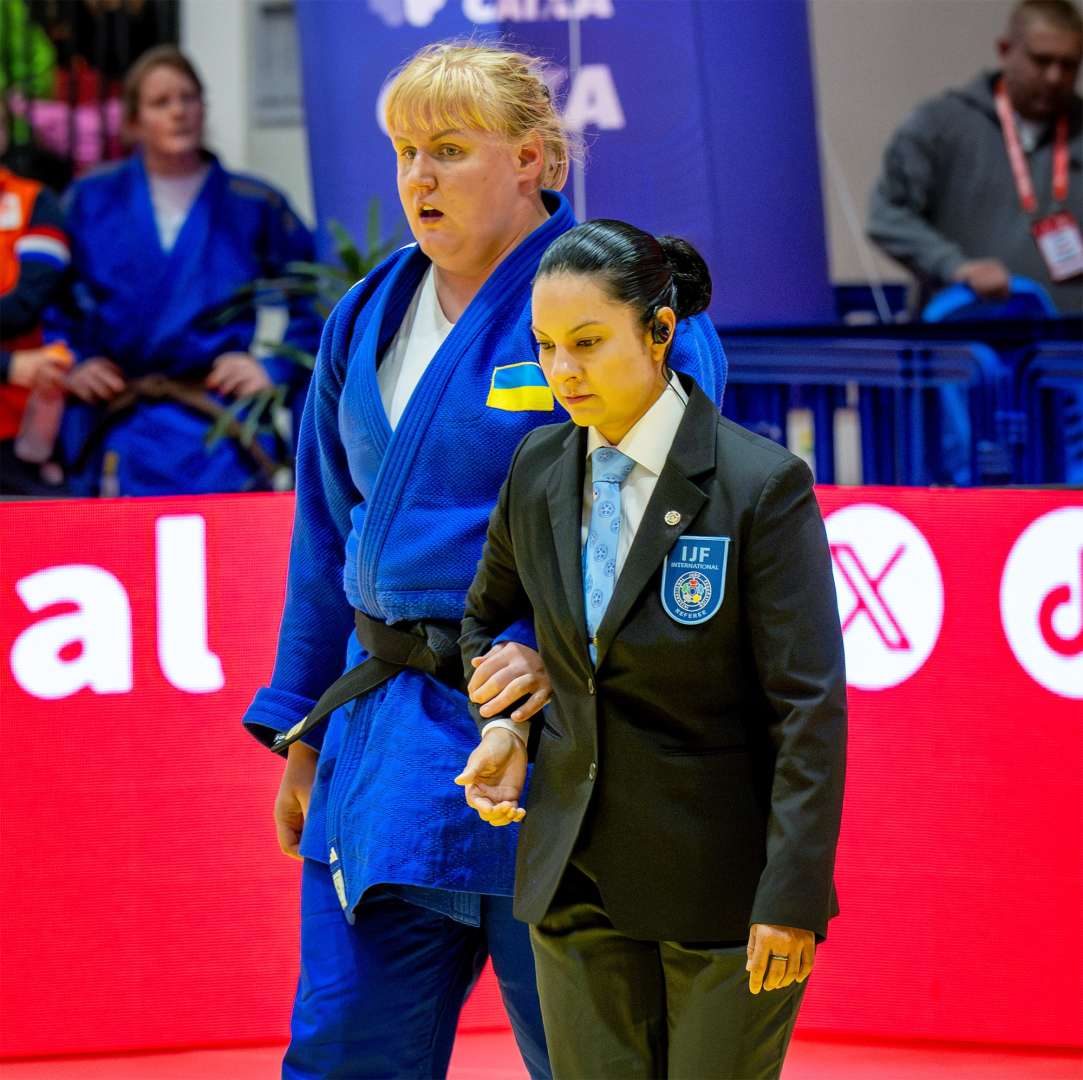
Once the contest is underway, that responsibility does not disappear. Every command carries particular importance. The referee's voice becomes another point of reference for the athletes. ‘Hajime’ and ‘Mate’ set the rhythm of the contest, while ‘Jogai,’ announced as the athletes approach the edge of the contest area, provides an essential spatial reference, allowing them to adjust their movement before reaching the boundary.
The referee's voice is therefore much more than a means of controlling the contest; it becomes an integral part of the athletes' environment. At the same time, the referee must constantly monitor the competitors' positions on the tatami, anticipate situations that could compromise safety and intervene at precisely the right moment. Every decision must satisfy the demands of the rules while remaining attentive to the specific needs of the athletes standing before them.
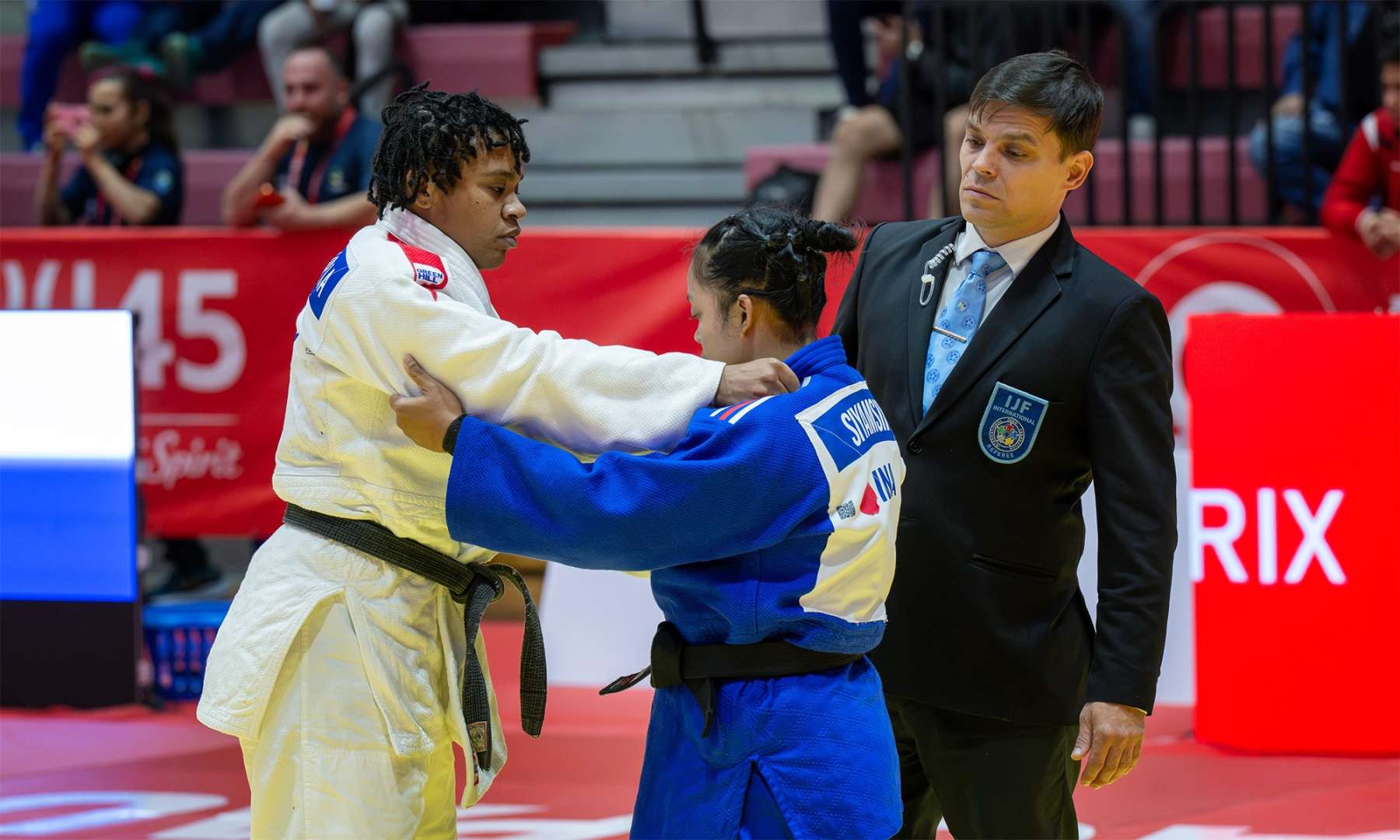
None of this makes Para judo easy to referee; if anything, it requires an even broader range of skills than for mainstream competition. Technical knowledge alone is not enough. It must be combined with empathy, anticipation, calmness and an exceptional awareness of the athletes' environment. The referee remains completely impartial, yet also becomes one of the invisible elements that allows the contest to unfold naturally, fairly and safely.
Perhaps that is why refereeing at an IBSA event leaves such a strong impression. The spectators rarely notice these moments, because everything appears so seamless. Yet behind every contest lies a referee who has done far more than judge scores and penalties. They have guided, reassured, anticipated and protected without ever becoming the centre of attention. In Para judo, the referee does not simply ensure that the contest is fair, they help make the contest possible.